
Vietnam Travel Guide
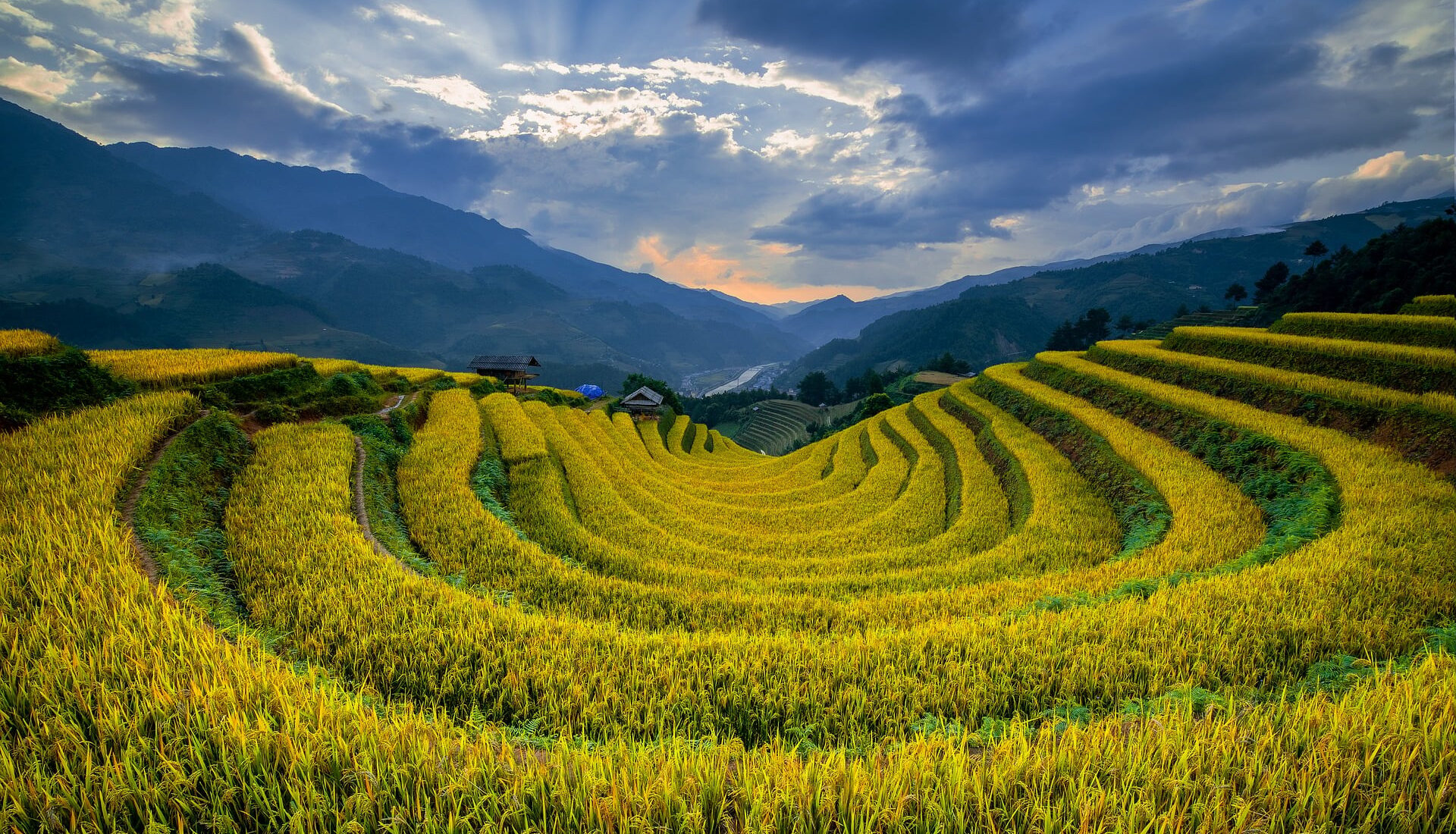
Long and narrow, Vietnam stretches from the mountains bordering China to the tropical waterways of the Mekong Delta. Between them are energetic cities, historic trading ports, imperial monuments, rural villages, a varied coastline and one of Asia’s most distinctive food cultures.
It is possible to travel from north to south and experience several sides of Vietnam in one journey, but the pace matters. Trying to include every famous place can result in too much time spent travelling and not enough time experiencing the country.
A first visit might connect Hanoi, the landscapes of northern Vietnam, the central cities of Hue and Hoi An, and Ho Chi Minh City. A more focused journey could explore the mountain communities of the far north, follow the central coastline by rail or spend longer discovering the food and daily life of one region.
The best route depends on the season, your international flights, your interests and how quickly you enjoy travelling. Vietnam is not a destination where one standard itinerary works equally well for everyone.
Why Visit Vietnam?
Vietnam’s appeal lies in its variety, but also in how much can be experienced at street level.
In Hanoi, daily life unfolds around neighbourhood markets, pavement kitchens, lakes and narrow streets. Outside the city, the landscape changes to limestone mountains, river valleys and terraced fields. Central Vietnam introduces a different rhythm through imperial Hue, the old trading port of Hoi An and a coastline that can be explored by road or rail. In the south, Ho Chi Minh City provides a striking contrast to the smaller towns and waterways of the Mekong Delta.
History is present throughout the country, from ancient temples and imperial tombs to colonial buildings and sites connected with the events of the 20th century. Vietnam is not defined only by its past, however. It is a young and rapidly changing country with a strong sense of regional identity.
Food is one of the most enjoyable ways to understand those differences. The herbs, broths, cooking techniques and preferred flavours change as you travel. A dish prepared in Hanoi may be noticeably different when encountered in Hue or the Mekong Delta. Markets, family-run restaurants, street stalls and home-cooked meals can therefore be as revealing as formal sightseeing.
Vietnam also works particularly well for travellers who enjoy being active. Walking, cycling, kayaking and gentle boat journeys can be incorporated without turning the entire trip into an adventure holiday.
When to Visit Vietnam
Vietnam does not have one nationwide weather pattern. Conditions can be quite different in the north, centre and south at the same time, so the best period depends partly on where you intend to travel.
Northern Vietnam
Hanoi, Ninh Binh, Ha Long Bay and the northern mountains are generally most comfortable between October and April. December and January can be cooler than many visitors expect, particularly in the mountains, where warm layers may be needed.
The summer months are warmer, more humid and wetter. The countryside is often intensely green during this period, although heavy rain can occasionally affect mountain roads and outdoor plans.
Central Vietnam
Hue, Hoi An and the central coastline often enjoy their most settled conditions between approximately February and August. The later months of the year can bring heavier rainfall, particularly around Hue and Hoi An.
Central Vietnam does not always need to be avoided outside the ideal period, but the route should be planned with greater flexibility and realistic expectations about the weather.
Southern Vietnam
Ho Chi Minh City and the Mekong Delta remain warm throughout the year. The drier period usually runs from approximately December to April.
During the wetter months, rain often arrives in concentrated tropical downpours rather than continuing throughout the entire day. Travel is still possible, and the Mekong landscape can be especially lush.
Choosing the Right Time
If your dates are fixed, it is often possible to shape the journey around the regions likely to be at their best. If your dates are flexible, the ideal period will depend on the particular places and experiences that interest you.
This is especially important for mountain walking, coastal stays and journeys covering several regions. A single answer to the question of the “best month” to visit Vietnam is rarely helpful.
How Long Should You Spend in Vietnam?
For a first visit covering more than one region, approximately two weeks provides a comfortable starting point. This allows time to experience the country’s contrasts without making every other day a travel day.
As a general guide:
- 7 to 9 days: Concentrate on one region or combine two carefully selected areas.
- 12 to 15 days: Connect northern, central and southern Vietnam at a comfortable but active pace.
- 18 to 21 days: Travel more slowly, include rural stays or explore less-visited areas.
- Three weeks or longer: Combine the main regions with the far north, an extended coastal journey or a neighbouring country.
The number of places included matters less than the quality of the route. Sometimes removing a stop creates a better journey, particularly when reaching it would require a lengthy detour or another domestic flight.
Places to Visit in Vietnam
Hanoi
Hanoi is Vietnam’s political capital and one of the country’s most characterful cities. Its appeal lies not only in recognised landmarks but also in its neighbourhoods, food culture and everyday street life.
The Old Quarter is usually the starting point, but Hanoi should not be reduced to a checklist of streets and monuments. Different parts of the city reveal lakeside communities, historic villas, local markets, contemporary galleries and a rapidly developing restaurant scene.
A good guide can provide historical context while helping visitors understand what is happening around them. Food-focused walks work particularly well because many Hanoi dishes are closely connected to individual streets, neighbourhoods and family businesses.
At least three nights is generally worthwhile, particularly when Hanoi is the first stop after a long international flight.
Ha Long Bay and Lan Ha Bay
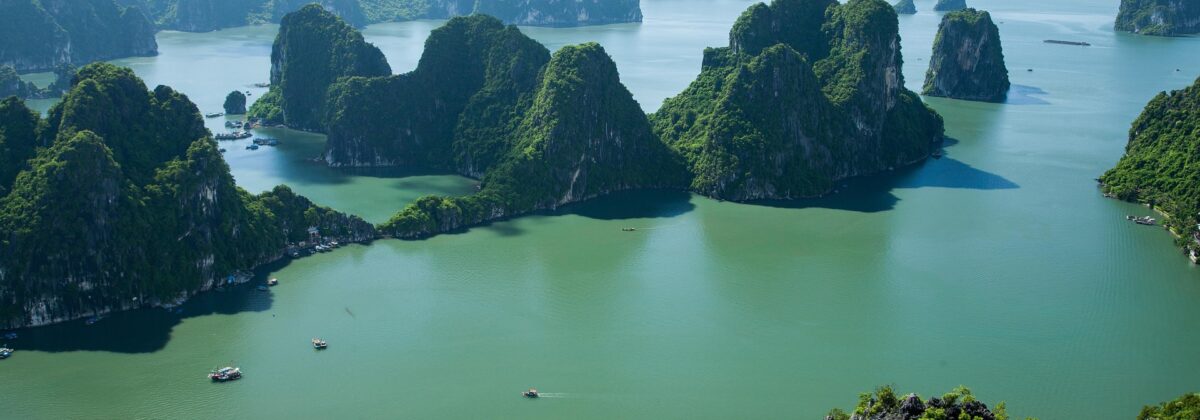
The limestone seascape of northern Vietnam is one of the country’s best-known sights. The experience, however, depends greatly on the boat, cabin, route and amount of time spent on the water.
A higher advertised boat category does not automatically mean a better experience. The size and character of the vessel, the area it visits and the balance of activities can be more important than the headline rating.
An overnight cruise provides a much better sense of the landscape than a rushed day trip from Hanoi. Lan Ha Bay can suit travellers looking for a quieter route, although the best option depends on operating schedules and individual preferences.
Ninh Binh
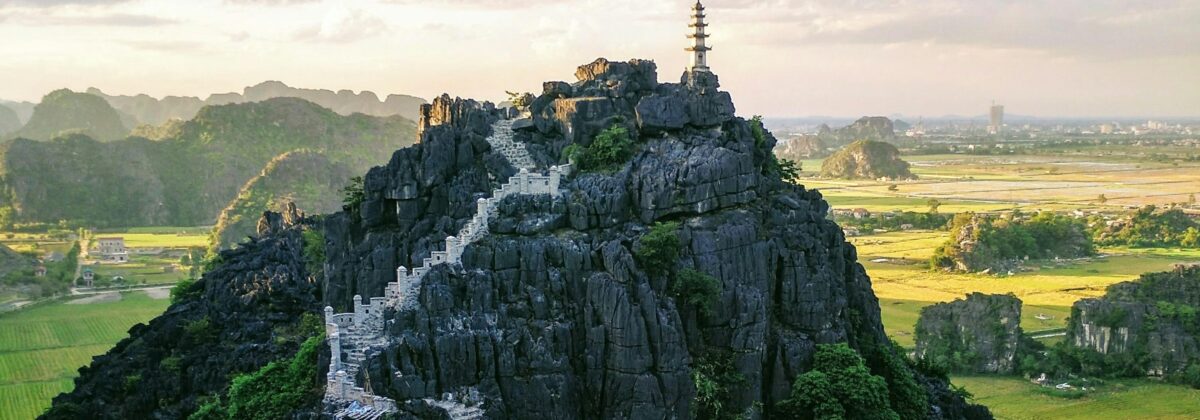
Ninh Binh is known for rivers winding between limestone formations, rice fields, temples and rural communities. Although it is often visited as a day trip from Hanoi, staying overnight creates a more relaxed experience.
Boat journeys through Trang An or Tam Coc can be combined with cycling, village walks and visits to historic sites. The character of the landscape changes with the agricultural seasons, making this a place worth experiencing rather than simply photographing.
Ninh Binh can also be incorporated into the journey between Hanoi and the coast, avoiding unnecessary backtracking.
Sapa and the Northern Mountains
The mountains surrounding Sapa contain terraced valleys and communities belonging to several of Vietnam’s ethnic minority groups. The most rewarding experiences generally take place beyond Sapa town itself.
Walking routes can be adapted according to fitness, weather and preferred distance. Some travellers may want a full day of trekking, while others will gain more from shorter walks, time in villages and a comfortable rural lodge.
Sapa is not the only option in the north. Mai Chau, Pu Luong, Hoang Su Phi and other mountain areas may be more suitable depending on the season, available time and preferred level of activity.
Ha Giang and the Far North
The far north offers some of Vietnam’s most dramatic mountain scenery. Roads cross high passes and connect remote valleys, small towns and rural communities close to the Chinese border.
The region has become associated with multi-day motorbike loops, but travelling by private vehicle with an experienced local driver is an excellent alternative. It allows more time to observe the landscape and suits travellers who do not want to ride a motorbike.
Distances can appear short on a map, but mountain roads make journey times considerably longer. At least three or four nights should be allowed, rather than treating the far north as a quick extension from Hanoi.
Hue
Hue was the seat of Vietnam’s Nguyen emperors and remains one of the best places to explore the country’s imperial history. The Citadel is the principal landmark, but the royal tombs, pagodas, garden houses and surrounding countryside add much of the depth.
The city also has a distinctive culinary tradition. Its food ranges from elaborate dishes influenced by the imperial court to small, inexpensive specialities served in local restaurants.
Two or three nights allow time to see more than the principal monuments. Cycling, walking and boat journeys can introduce a quieter side of Hue that hurried visits often miss.
Hoi An
Hoi An’s preserved merchant architecture reflects centuries of trade and cultural exchange. The historic centre is particularly atmospheric early in the morning and later in the evening.
The town can become busy during the middle of the day, so timing makes a considerable difference. Staying several nights creates opportunities to explore the surrounding countryside, cycle through villages, visit local producers or spend time near the coast.
Hoi An is also a useful base for travellers interested in food and craft traditions. Smaller and more personal activities are often more rewarding than large, formulaic group tours.
The Central Coast
The central coast is more than a transfer between Hue and Hoi An. The Hai Van Pass provides one of Vietnam’s most scenic road journeys, while sections of the railway offer views of mountains, beaches and fishing communities.
Farther south, places such as Quy Nhon and Nha Trang can be incorporated into a longer coastal itinerary. The right choice depends on whether the priority is scenery, local life, a particular hotel or uninterrupted time by the sea.
Vietnam’s domestic railway can be valuable when the journey itself adds to the experience. It is best used selectively, rather than assuming every long journey will be better by train.
Ho Chi Minh City
Ho Chi Minh City is energetic, outward-looking and constantly changing. Historic buildings, traditional markets and old residential neighbourhoods sit alongside contemporary restaurants, galleries and rapidly developing districts.
The city’s modern history deserves careful interpretation. Visits to museums and significant sites are more meaningful when placed in the wider context of Vietnam’s colonial period, wars and reunification.
Food is another excellent route into the city. Each district has its own character, and exploring beyond the central landmarks reveals a more complete picture of life in southern Vietnam.
Two or three nights normally work well, with additional time for those who prefer to explore at a slower pace.
The Mekong Delta
The Mekong Delta is a large and varied region rather than a single attraction. Its appeal lies in the waterways, agricultural landscapes, orchards, small industries and communities connected by road, river and canal.
A short excursion can provide an introduction, but staying overnight makes it possible to travel farther from the busiest routes. Cycling, walking and smaller boats are often the best ways to experience the details of daily life.
The choice of location matters. Can Tho, Ben Tre, Cai Be and the more rural parts of the delta offer different experiences. The right route will depend on the time available, accommodation preferences and what you genuinely want to experience.
Phu Quoc and the Southern Islands
Phu Quoc can provide a convenient beach stay at the end of a wider Vietnam journey. The island has developed considerably, so choosing the right area and hotel is important.
It works best when approached as time to rest rather than another intensive sightseeing stop. Three or four nights are usually enough for most travellers, although longer stays may suit families or those wanting a slower conclusion to their journey.
Experiences in Vietnam
Food and Markets
Vietnamese food changes noticeably from region to region. A culinary journey might include a market visit in Hanoi, home cooking in the countryside, imperial-influenced dishes in Hue and the sweeter flavours of southern Vietnam.
The most rewarding food experiences provide context and genuine interaction. This might mean visiting a market with a cook, meeting a family producer or exploring a neighbourhood with someone who understands its food history.
Not every meal needs to be organised in advance. A few carefully selected food experiences can be combined with time for independent discoveries and local recommendations.
Walking and Cycling
Vietnam offers excellent opportunities for walking and cycling, from gentle village routes to more demanding mountain trails.
The right level of activity is personal. Occasional cycling can be added to a wider cultural journey, or several days can be built around more active exploration. Weather, road conditions and realistic journey times should always be considered when choosing routes.
Rail Journeys
Vietnam’s railway follows much of the country’s long coastline. Certain sections are particularly scenic and provide an enjoyable change from flying or driving.
Not every train journey is worthwhile purely for the novelty. Rail works best where the schedule, comfort and scenery justify the additional time. Elsewhere, a flight or private vehicle may preserve more time for the destination itself.
Boats and Waterways
Cruises in Ha Long or Lan Ha Bay, small boats in Ninh Binh and journeys through the Mekong Delta each reveal a different aspect of Vietnam.
The style of boat matters. A private sampan, small riverboat and overnight cruise provide very different experiences, so the operating area, comfort, duration and likely level of activity should all be considered.
Families and Multi-Generational Travel
Vietnam can work extremely well for families. Food experiences, cycling, craft visits, boat journeys and interactive historical activities can be balanced with swimming, rest and unstructured time.
Activity levels can be adapted around children’s ages, attention spans and previous travel experience. Multi-generational groups can also include alternative arrangements where necessary without separating the family throughout the journey.
Honeymoons and Private Journeys
Vietnam offers a strong combination of culture, food, scenery and distinctive accommodation. A honeymoon need not consist only of luxury hotels. Private experiences, atmospheric rural stays and carefully paced days can make the journey feel more personal.
The strongest itineraries balance exploration with time alone, avoiding a schedule in which every hour is organised.
Suggested Ways to Explore Vietnam
Northern Vietnam
A focused northern journey could combine Hanoi with Ninh Binh and an overnight cruise in Ha Long or Lan Ha Bay. With additional time, the route could continue into Mai Chau, Pu Luong, Sapa or the far north.
The most suitable mountain area will depend on the season, walking ability and appetite for longer road journeys.
A Journey from North to South
A broader first visit might connect Hanoi and northern Vietnam with Hue, Hoi An, Ho Chi Minh City and the Mekong Delta.
This works best with approximately two weeks or longer. Domestic flights can cover the greatest distances, while road, rail and boat journeys can be included where they contribute to the experience.
Central Vietnam in Greater Depth
Travellers with less time, or those who prefer a more focused journey, could explore Hue, Hoi An and the central coast.
This allows a richer look at imperial history, food, rural communities and the relationship between the mountains and the sea. It can also be extended southward by train or combined with a relaxing coastal stay.
Vietnam at a Slower Pace
A longer itinerary can incorporate rural lodges, mountain walks, scenic rail journeys and less-visited coastal areas. Rather than adding every possible destination, the extra time can be used to stay longer and experience places at different times of day.
This approach is particularly well suited to returning visitors and travellers more interested in everyday life than famous landmarks.
Planning Your Vietnam Journey
Vietnam is best planned around the season, the regions you want to experience and your preferred pace. International flights will often determine whether it makes sense to travel from north to south or in the opposite direction. From there, domestic flights, private vehicles, selected rail journeys and boat travel can be combined to create a practical and enjoyable route.
The suggested journeys on our website are intended as starting points rather than fixed packages. Each can be adjusted around your dates, interests, preferred style of accommodation and the amount of guided or independent time you would like.
Essential Travel Information
Hanoi and Ho Chi Minh City are Vietnam’s principal international gateways. Some international services also operate through Da Nang, depending on the point of origin and current airline schedules.
Domestic flights are useful for covering longer distances. Private vehicles provide flexibility within each region, while selected train journeys can add scenery and character. In mountain areas, journey times should be assessed using local road knowledge rather than distance alone.
Vietnam’s currency is the Vietnamese dong. Cards are accepted in many hotels, restaurants and established businesses, but cash remains useful for markets, small shops and rural areas.
English is spoken in the main tourism centres. A knowledgeable local guide adds context, particularly when exploring Vietnam’s history, food traditions and rural communities.
Entry requirements depend on nationality and can change. Travellers should consult current official information before departure.
Explore our Vietnam journeys
Starting points rather than fixed packages — every one is shaped around your dates, interests and pace.
 11 days
 Cambodia & Vietnam: The Essentials
 11 days
 Cycling Sapa to Hanoi
 13 days
 Cycling the Ho Chi Minh Trail: Hanoi to Hoi An
Start planning your trip
Tell us your dates, your interests and the pace you enjoy, and we’ll shape a Vietnam journey around them.