
Thailand Travel Guide
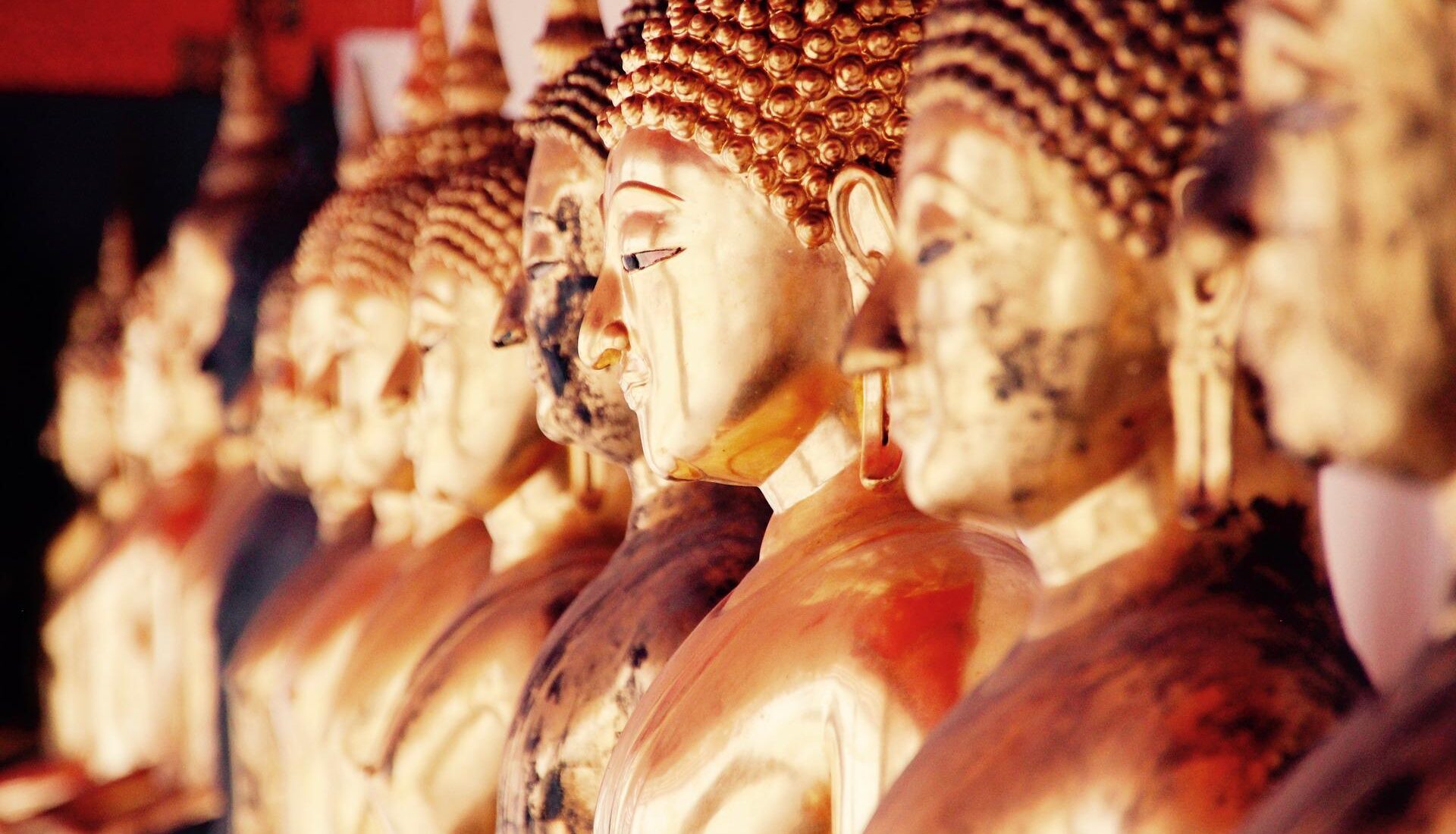
Thailand combines energetic cities, historic kingdoms, forested mountains and tropical coastlines within a country that is both rewarding to explore and relatively easy to travel through.
Bangkok provides an absorbing introduction through its temples, waterways, markets and celebrated food culture. To the north, Chiang Mai and Chiang Rai are gateways to mountain scenery, historic towns and communities with distinct cultural traditions. Central Thailand contains the former capitals of Ayutthaya and Sukhothai, while the south offers rainforests, limestone landscapes and islands spread between the Andaman Sea and the Gulf of Thailand.
A journey through Thailand can focus on its cultural heartlands, combine city and countryside with time on the coast, or travel more deeply into regions that receive fewer international visitors.
Thailand has an extensive travel network, but thoughtful planning still makes an important difference. Bangkok’s traffic can affect the order of each day, northern journeys require realistic road times and the best beach destination depends on both the season and the type of experience you want.
Why Visit Thailand?
Thailand’s variety allows culture, nature, food and relaxation to be combined comfortably within one journey.
Bangkok is one of Asia’s most engaging cities, with royal monuments, neighbourhood temples, contemporary galleries, busy markets and restaurants ranging from simple street stalls to innovative dining rooms. Beyond the capital, former royal cities and archaeological sites reveal the history of the kingdoms that shaped modern Thailand.
Northern Thailand offers a different atmosphere. Chiang Mai’s old city, temples and food culture are surrounded by mountains, national parks and rural communities. Farther north and west, journeys can incorporate walking, cycling, river travel and stays in areas where the landscape remains central to daily life.
Southern Thailand contains an extensive choice of beaches and islands, but the experience extends beyond the coast. Rainforests, marine parks, limestone cliffs, fishing communities and regional cuisine provide opportunities for both exploration and relaxation.
Thailand’s travel infrastructure also makes it possible to shape journeys around different ages, interests and activity levels. Families, couples, first-time visitors and more experienced travellers can all approach the country in different ways.
When to Visit Thailand
Thailand has a tropical climate, but weather patterns vary between its northern, central and southern regions.
The period between November and February generally provides the most comfortable conditions across much of the country. Bangkok and central Thailand are usually less humid, while northern mornings and evenings can feel pleasantly cool. This is also a popular period for beaches along the Andaman coast.
Temperatures rise during March and April, with April commonly the hottest month. The Thai New Year festival of Songkran takes place during this period and is celebrated throughout the country. Outdoor activities are best arranged for the morning, particularly in historic parks and rural areas.
The wetter season across Bangkok, central Thailand and much of the north usually runs from approximately May to October. Rain often arrives in intense showers rather than continuing throughout the day. The countryside becomes greener, waterfalls are more impressive and visitor numbers may be lower.
Northern Thailand and the Haze Season
Air quality in northern Thailand can be affected by seasonal agricultural burning, most commonly from late February into April. The severity and timing vary each year, but travellers with respiratory concerns, or those visiting primarily for mountain views and outdoor activities, should take this into account.
It does not affect every part of the country in the same way. A journey during this period can concentrate on Bangkok, central Thailand or the south if conditions in the north are unfavourable.
Choosing Between Thailand’s Coasts
Thailand’s two southern coastlines experience different seasonal patterns.
The Andaman coast, including Phuket, Krabi, Khao Lak and Koh Lanta, generally enjoys its most settled beach weather between November and April. Some hotels and boat services on smaller islands operate less frequently during the wetter months.
The Gulf islands have a different pattern. Koh Samui, Koh Phangan and Koh Tao can provide better beach conditions during parts of the European summer, although weather varies between individual islands and from year to year.
The season should therefore influence the choice of coast rather than simply adding the most familiar island to every Thailand itinerary.
How Long Should You Spend in Thailand?
A shorter visit of approximately seven days can focus on Bangkok and one additional region, such as Chiang Mai or a beach destination.
With ten to fourteen days, visitors can combine Bangkok, northern Thailand and the coast at a comfortable pace. Alternatively, the journey can concentrate more deeply on Bangkok, central Thailand and the north without including a beach stay.
A journey of two to three weeks creates opportunities to include former capitals, national parks, rural regions or less frequently visited provinces alongside Thailand’s principal destinations.
Domestic flights make it possible to cover considerable distances, but adding too many regions can result in a fragmented journey. Trains and overland travel can provide a more rewarding sense of the country where the route and available time justify them.
Places to Visit in Thailand
Bangkok
Bangkok is a city of royal monuments, neighbourhood temples, canals, markets, contemporary design and exceptional food.
The Grand Palace and Wat Pho introduce the city’s royal and religious heritage. Travelling by boat along the Chao Phraya River and surrounding canals reveals communities that developed around the water. Elsewhere, historic neighbourhoods, markets, galleries and local restaurants provide very different perspectives on the capital.
Bangkok’s scale and traffic should influence how each day is planned. Grouping visits by area is usually more enjoyable than repeatedly crossing the city. Riverboats, the Skytrain and the underground system can also be more useful than travelling everywhere by private vehicle.
Hotel location matters. A riverside property creates a different experience from staying near the historic centre or within easy reach of the Skytrain. The right area depends on the places you want to explore, your dining interests and whether Bangkok is being used primarily as an arrival point or as a destination in its own right.
Bangkok deserves at least three nights, particularly when it is the first stop after an international flight. Additional time allows the city to be explored beyond its principal landmarks.
Ayutthaya
Ayutthaya was the capital of the Siamese kingdom for more than four centuries and once ranked among the world’s most prosperous cities.
Temple towers, monasteries and Buddha images are spread across the historic island and surrounding areas. Exploring with a knowledgeable guide helps place the monuments within the wider history of trade, diplomacy and regional power.
Ayutthaya can be visited from Bangkok, incorporated into an overland journey north or reached through a combination of boat and road travel.
A day trip works for visitors with limited time, but an overnight stay allows the ruins to be explored during the cooler and quieter parts of the day. It also avoids returning through Bangkok traffic before continuing north.
Kanchanaburi
Kanchanaburi is situated among rivers, forested hills and agricultural landscapes west of Bangkok. The province is closely associated with the construction of the Thailand to Burma Railway during the Second World War, a history explored through museums, memorials and surviving sections of the railway.
The historical sites are most meaningful when interpreted carefully and placed within the broader experiences of the prisoners of war and Asian labourers who built the railway.
Beyond its wartime history, the region contains national parks, waterfalls, caves and rural communities. Journeys may include train travel, cycling, walking and accommodation beside the River Kwai.
Two or three nights allows time to engage with both the history and the surrounding landscape. Attempting Kanchanaburi as a rushed excursion from Bangkok provides a much narrower experience.
Sukhothai
Sukhothai was the centre of an early Thai kingdom whose artistic and religious influence remains visible throughout the country.
Its historical park contains the remains of temples, monasteries, reservoirs and Buddha images spread across a spacious landscape. Bicycles provide an enjoyable way to travel between the principal monuments, particularly during the cooler morning hours.
Sukhothai can form part of an overland journey between Bangkok and northern Thailand. One or two nights is normally sufficient to explore the archaeological park and nearby areas.
It is less practical as a simple excursion from either Bangkok or Chiang Mai. The long road journey is best justified when Sukhothai contributes to a broader route through central and northern Thailand.
Chiang Mai
Chiang Mai is the cultural centre of northern Thailand. Its historic core contains temples, traditional architecture, markets and quiet lanes, while the wider city has developed a lively food, craft and contemporary arts scene.
The surrounding region offers opportunities for cycling, walking, cooking, visiting community projects and exploring forested mountain landscapes.
The quality of activities involving animals or local communities varies considerably. Elephant experiences require particular care. Responsible projects focus on observation, welfare and natural behaviour, without riding, performances, forced bathing or constant physical contact.
Community-based experiences should also be chosen according to how they operate and who benefits from the visit. A smaller or more remote village is not automatically more authentic. The quality of the relationship and the way the experience is managed matter more.
Three or four nights provides time to explore Chiang Mai and incorporate experiences in the surrounding countryside.
Chiang Rai and the Golden Triangle
Chiang Rai provides access to Thailand’s far north, where mountain landscapes meet the borders with Laos and Myanmar.
The province contains distinctive contemporary temples, tea plantations, rivers and communities belonging to several ethnic groups. Farther north, the Golden Triangle marks the meeting point of Thailand, Laos and Myanmar along the Mekong River.
Chiang Rai can be reached by road from Chiang Mai or by air from Bangkok. The journey from Chiang Mai takes much of a day once stops are included, so travelling there simply for a brief visit can feel rushed.
Two or three nights allows for a broader exploration of the province. The region can also form part of a journey continuing by river or road towards Laos.
Mae Hong Son and Pai
The mountainous province of Mae Hong Son is known for forested valleys, winding roads and culturally diverse communities. The journey through the region passes viewpoints, caves, farms and small settlements.
Pai has developed into a popular mountain town with cafes, local markets and easy access to the surrounding countryside. Mae Hong Son town retains a quieter character, with lakeside temples and cultural influences shaped by its proximity to Myanmar.
Road journeys in this region are slow and winding. Travellers prone to motion sickness should consider this before committing to a lengthy road loop.
Mae Hong Son and Pai are best experienced as part of a slower northern journey rather than added as quick excursions from Chiang Mai.
Isan and Northeast Thailand
Northeast Thailand, widely known as Isan, has a distinct cultural identity shaped by Lao and Khmer influences. The region is known for its food, traditional music, agricultural landscapes and important archaeological sites.
Khmer temples are found throughout the southern provinces, including the impressive sanctuary of Phanom Rung. Farther north, the Mekong forms Thailand’s border with Laos and passes through towns and rural communities rarely included in conventional itineraries.
Isan rewards travellers interested in regional culture, history and food. It is best approached as part of a longer and more exploratory Thailand journey rather than as a hurried addition to Bangkok and the north.
Khao Sok National Park
Khao Sok protects one of southern Thailand’s most impressive rainforest landscapes. Limestone formations rise above dense forest, rivers and the waters of Cheow Lan Lake.
Experiences may include walking, canoeing, wildlife observation and travelling by boat between the lake’s dramatic karst peaks. Accommodation ranges from forest lodges to floating properties positioned directly on the water.
The setting of the floating accommodation is remarkable, but comfort levels vary. Rooms can be relatively simple, electricity may be restricted and boat transfers operate according to fixed arrangements. Choosing the right property is therefore important.
Two or three nights in Khao Sok can be incorporated between Bangkok or northern Thailand and the beaches of the Andaman coast. Combining a forest lodge with a night on the lake provides a fuller experience, although it is not necessary for every traveller.
Phuket, Phang Nga and Khao Lak
Phuket is Thailand’s best-connected island and offers the country’s widest range of coastal accommodation. Different parts of the island vary considerably in atmosphere, from busy resort centres to quieter beaches and residential areas.
Phuket should not be treated as one uniform destination. The choice of coast, beach and hotel will determine whether the experience feels lively, secluded, family-oriented or focused on dining and nightlife.
Phuket Old Town introduces another side of the island through historic buildings, local food and neighbourhood life. It can be visited as an excursion or incorporated into arrival and departure arrangements.
Nearby Phang Nga Bay is known for its limestone islands, mangroves and sheltered waterways. The choice of boat makes a considerable difference. Small craft and carefully timed departures can provide a more enjoyable experience than joining the busiest excursion routes.
Khao Lak, on the mainland north of Phuket, offers a calmer resort environment and convenient access to beaches, national parks and marine excursions.
Krabi and the Andaman Coast
Krabi’s coastline is characterised by limestone cliffs, islands, beaches and clear tropical water. Ao Nang provides convenient access to the wider region, while Railay is enclosed by dramatic cliffs and reached primarily by boat.
Farther south, Koh Lanta offers a slower atmosphere and a combination of beaches, small communities and comfortable resorts. Marine parks and smaller islands can be explored through carefully planned boat journeys.
The most appropriate base depends on the preferred balance between accessibility, seclusion, activities and resort style. A beautiful beach may involve a longer transfer, while the most convenient destination may also be the busiest.
Boat conditions can be affected by the season. Travellers who are uncomfortable on speedboats may prefer a mainland resort, a larger vessel or an island with a shorter transfer.
Koh Samui and the Gulf Islands
Koh Samui is the principal resort island in the Gulf of Thailand, with a broad choice of hotels, villas, restaurants and beaches. Different parts of the island vary considerably in atmosphere, from lively resort areas to quieter coves.
Koh Phangan combines established beach areas with smaller retreats, while Koh Tao is particularly known for diving and snorkelling. Ang Thong Marine Park can be visited by boat for kayaking, viewpoints and island scenery.
The Gulf islands can be especially useful when seasonal conditions are less favourable on the Andaman coast. However, weather is only one consideration. Flight access, boat transfers, nightlife, diving opportunities and the preferred hotel style should also influence the decision.
Experiences in Thailand
Food and Markets
Food is one of the most rewarding ways to understand Thailand’s regional differences.
Bangkok offers historic markets, neighbourhood stalls, family-run restaurants and a sophisticated contemporary dining scene. Chiang Mai and northern Thailand have their own culinary traditions, while Isan is known for bold flavours, grilled dishes, salads and sticky rice. Southern Thai cuisine reflects the region’s coastal setting and historic trading connections.
Food experiences may include market visits, street-food walks, regional restaurants and cooking sessions. The most useful experiences explain ingredients, regional influences and the relationship between food and local life rather than simply moving between a list of dishes.
Temples, History and Culture
Thailand’s temples range from active neighbourhood monasteries to the ruins of former capitals.
Appropriate dress and respectful behaviour are important at religious sites. A knowledgeable guide can explain Buddhist traditions, architecture and everyday temple life while helping visitors distinguish between active places of worship and historic monuments.
Historical journeys can connect Bangkok with Ayutthaya, Sukhothai and northern Thailand. Kanchanaburi introduces a different period and requires a sensitive approach to its wartime history.
Walking and Cycling
Cycling and walking provide rewarding ways to experience rural areas, archaeological parks and northern landscapes.
Suitable cycling routes can be found around Bangkok’s quieter neighbourhoods, Ayutthaya, Sukhothai, Chiang Mai and rural parts of the north. The difficulty depends on heat, road surface and traffic as well as distance.
Walking can range from gentle village routes to more challenging mountain and rainforest trails. During the warmer months, early starts and realistic distances are essential.
Trains, Rivers and Boats
Train travel can be incorporated between Bangkok and destinations such as Ayutthaya, Kanchanaburi or Chiang Mai. Overnight trains offer character and save a hotel night, but they do not provide the same comfort or privacy as a good hotel and domestic flight.
Boats remain central to exploring Bangkok’s waterways and the southern islands. The vessel, departure time and group size can affect the experience as much as the destination itself.
Nature and Wildlife
Thailand’s national parks protect rainforest, waterfalls, mountain scenery and marine environments.
Wildlife sightings should never be guaranteed. The strongest experiences concentrate on the landscape, natural behaviour and responsible observation rather than close contact with animals.
Elephant activities deserve particular scrutiny. Terms such as sanctuary, rescue centre and ethical are not regulated guarantees. The actual treatment of the animals and the activities offered should determine whether a project is suitable.
Families and Multi-Generational Travel
Thailand works particularly well for family travel. Temples, markets, cooking, cycling, boats and wildlife can be combined with swimming and unstructured time.
The pace should reflect children’s ages and the time needed to recover from international flights. Longer stays in fewer places are often more successful than moving the family every two nights.
Different activity levels can also be accommodated within a multi-generational journey without organising completely separate holidays.
Suggested Ways to Explore Thailand
Bangkok and Northern Thailand
A shorter journey can combine Bangkok with Chiang Mai, using a domestic flight or overnight train between the two cities.
Additional time can be used to explore Chiang Rai or the countryside surrounding Chiang Mai rather than simply adding another flight and city.
Thailand’s Historic Heartlands
A cultural overland journey can travel from Bangkok through Ayutthaya and Sukhothai before continuing to Chiang Mai.
This route provides a clearer sense of Thailand’s historical development and allows the landscape to change gradually. Kanchanaburi can also be incorporated west of Bangkok for wartime history and natural scenery.
Culture, Nature and Coast
A journey of approximately two weeks can combine Bangkok, northern Thailand and a carefully selected beach destination.
Internal flights keep the longer distances manageable. The coast should be chosen according to the season, flight arrangements and preferred style of beach experience.
Thailand in Greater Depth
A longer journey might incorporate Isan, Mae Hong Son, rural northern Thailand or the forests of Khao Sok alongside the country’s principal destinations.
These regions are most rewarding when given enough time. Adding them to an already busy itinerary simply to include somewhere less visited can undermine the slower experience they are meant to provide.
Planning Your Thailand Journey
Thailand is best planned around the season, the regions you want to experience and the pace at which you enjoy travelling.
The choice of beach destination should consider more than the weather. Hotel style, transfer time, atmosphere, swimming conditions and access to restaurants or activities can be equally important. In the north, air quality and road times may influence the route, while in Bangkok the location of the hotel can shape the entire stay.
The suggested journeys on our website are intended as starting points rather than fixed packages. They can be adjusted around your dates, interests, preferred accommodation and the amount of guided or independent time you would like.
Essential Travel Information
Bangkok is Thailand’s principal international gateway, with additional international services operating through airports including Phuket and Chiang Mai. An extensive domestic flight network connects the country’s main regions.
Thailand’s railways link Bangkok with northern, northeastern and southern destinations. Trains can add character to the journey, although they are slower than flying. Private vehicles are particularly useful for exploring historical sites, national parks and rural regions.
Ferries and speedboats connect the principal southern islands. Services and sea conditions vary by season, and some routes operate less frequently during wetter periods.
The local currency is the Thai baht. Cards are widely accepted in hotels, established restaurants and larger businesses, while cash remains useful in markets, smaller establishments and rural areas.
English is commonly spoken in the main tourism destinations. Knowledgeable local guides provide valuable context at historical, religious and cultural sites and enable more personal exploration beyond the main visitor routes.
Entry requirements depend on nationality and can change, so travellers should consult current official information before departure.
Explore our Thailand journeys
Starting points rather than fixed packages — every one is shaped around your dates, interests and pace.
 6 days
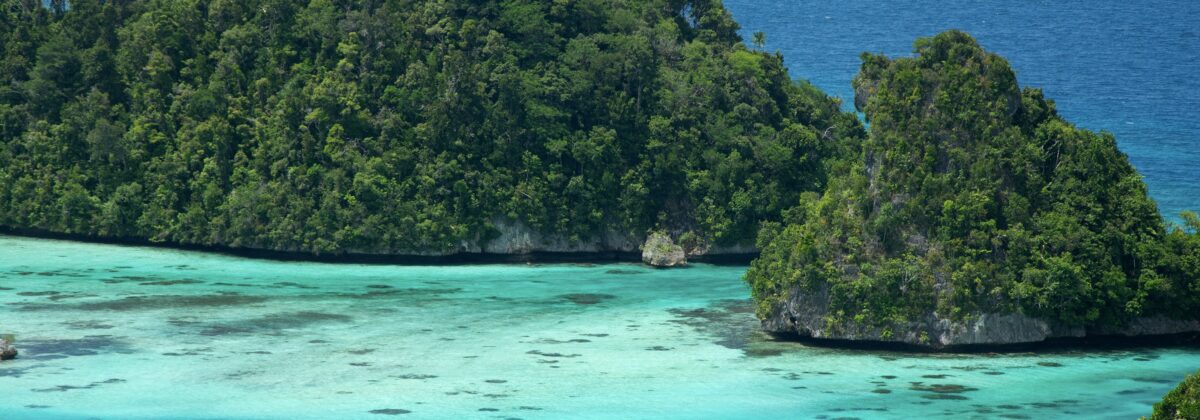
 Andaman Islands by Sail
 12 days
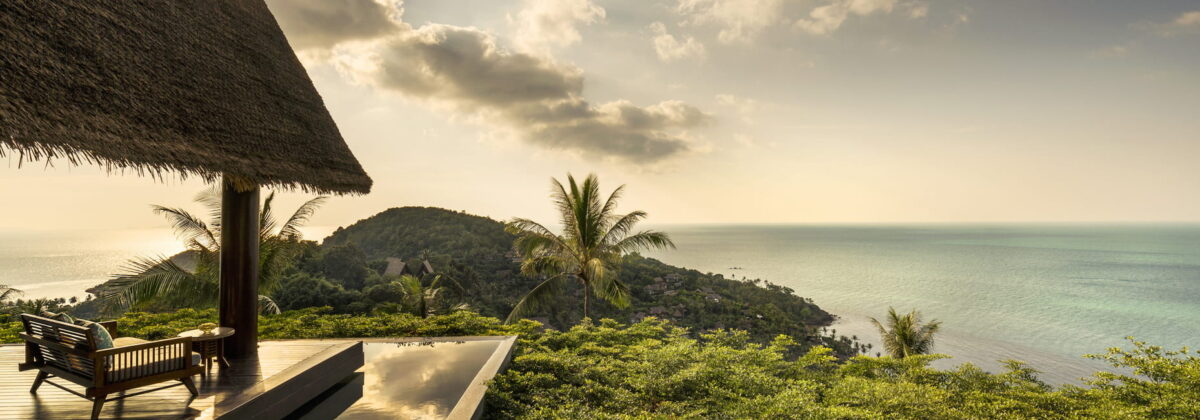
 Bangkok to Four Seasons: A Honeymoon Journey
 12 days
 Bangkok to Six Senses: A Honeymoon Journey
Start planning your trip
Tell us your dates, your interests and the pace you enjoy, and we’ll shape a Thailand journey around them.