
Japan Travel Guide
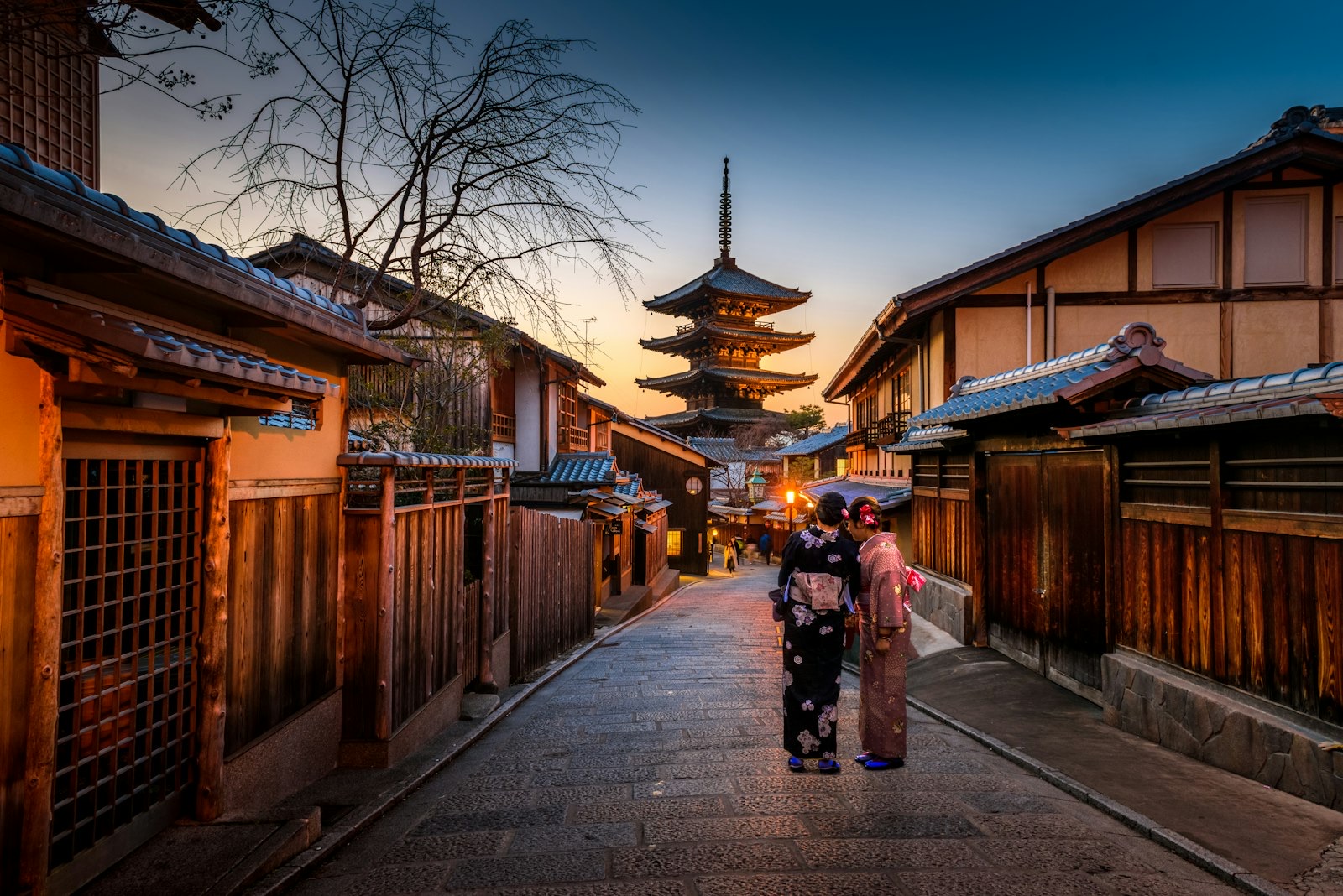
Japan rewards curiosity. Beyond the immediate impressions of high-speed trains, illuminated city streets and meticulously maintained temples lies a country shaped by distinct regional identities, seasonal traditions and an extraordinary attention to detail.
Tokyo and Osaka present different expressions of contemporary urban Japan, while Kyoto, Nara and Kanazawa preserve important architectural and cultural traditions. Beyond the cities, journeys can include mountain villages, pilgrimage trails, volcanic landscapes, subtropical islands and the remote wilderness of the north.
Efficient railways make it possible to connect several regions within one journey, but Japan is best appreciated without trying to include too much. Time spent exploring individual neighbourhoods, staying in a traditional ryokan, bathing in an onsen or travelling through the countryside can be as memorable as visiting its most celebrated landmarks.
Japan can appear effortless once the journey begins, but careful preparation matters. Train reservations, luggage arrangements, hotel location, seasonal demand and the opening days of museums and cultural sites can all affect the route.
Why Visit Japan?
Japan brings together ancient traditions and contemporary life in ways that feel natural rather than staged. Historic temples stand within modern cities, traditional inns operate with remarkable attention to detail, and seasonal customs continue to influence food, festivals, gardens and everyday routines.
The country’s cities are destinations in their own right. Tokyo contains a vast collection of neighbourhoods, each with its own character, while Kyoto’s temples, gardens and traditional districts provide insight into Japan’s imperial and cultural heritage. Osaka is known for its food and outgoing personality, and smaller cities such as Kanazawa offer a more intimate introduction to art, crafts and architecture.
Outside the major cities, Japan’s landscapes range from the mountains of the Japanese Alps to Hokkaido’s national parks, the volcanic scenery of Kyushu and the beaches of Okinawa. Walking routes, cycling, skiing, wildlife, coastal journeys and hot-spring stays can all be incorporated.
Japanese food is equally regional. Sushi and ramen are only the beginning of a culinary culture shaped by seasonality, local ingredients and techniques refined over generations.
When to Visit Japan
Japan has four distinct seasons, with considerable climatic variation between its northern and southern regions.
Spring
Spring is one of the most popular periods to visit. Cherry blossoms normally appear first in southern Japan before moving north, although flowering dates vary each year.
The blossoms remain at their peak for a relatively short period and cannot be guaranteed far in advance. A change in temperature, wind or rain can alter the timing considerably.
This is also one of the busiest and most expensive periods in Tokyo, Kyoto and other well-known destinations. Hotels, trains and popular experiences should be arranged early, but the journey should still be enjoyable even if the blossoms arrive before or after the predicted dates.
Spring temperatures are generally comfortable, although mornings and evenings can remain cool.
Summer
Summer is warm and humid across much of central and southern Japan. Rainfall commonly increases during the early part of the season, followed by hotter conditions in July and August.
Summer is also a season of festivals, fireworks, mountain walking and outdoor events. Hokkaido is usually cooler, while the Japanese Alps provide some relief from the heat.
The official climbing season for Mount Fuji generally falls during the summer, although exact opening dates and trail conditions should be checked for the year of travel.
Typhoons can affect parts of Japan later in the summer and early autumn. Most journeys continue as planned, but trains, ferries and flights can occasionally be disrupted.
Autumn
Autumn brings cooler temperatures and changing foliage, particularly in mountain regions and temple gardens.
Colours generally develop first in northern and higher-altitude areas before reaching cities such as Tokyo and Kyoto later in the season. As with cherry blossoms, precise timing varies each year.
Popular foliage locations can become crowded, particularly at weekends. Visiting early in the morning or including less obvious gardens and rural areas often creates a more relaxed experience.
Winter
Winter is well suited to skiing, snow landscapes, hot-spring stays and quieter cultural journeys.
Hokkaido, Tohoku and the Japanese Alps receive substantial snowfall, while Tokyo, Kyoto and southern regions are often cold but relatively dry.
Winter transport generally operates efficiently, but heavy snow can affect mountain roads and regional services. Some rural accommodation and walking routes also close seasonally.
How Long Should You Spend in Japan?
A shorter journey of seven to nine days can combine Tokyo and Kyoto, perhaps including an additional stop such as Hakone, Nara or Osaka.
With approximately two weeks, visitors can experience Tokyo, Kyoto and several regional destinations without spending the entire journey in transit. Kanazawa, the Japanese Alps, Hiroshima and Miyajima are among the places that can be incorporated.
A journey of 18 to 21 days allows for a slower exploration of the principal cities alongside more rural or remote regions. This might include the Kii Peninsula, Kyushu, Tohoku, Hokkaido or an extended stay in the Japanese Alps.
Japan’s transport network makes ambitious itineraries appear possible. However, a sequence of one-night stays still involves repeated packing, station navigation and hotel check-ins. Limiting the number of hotel changes usually creates a more enjoyable journey.
Places to Visit in Japan
Tokyo
Tokyo is a vast collection of neighbourhoods rather than a city with a single centre. Historic temples, traditional gardens and long-established businesses exist alongside contemporary architecture, fashion, technology and an extraordinary dining scene.
Asakusa introduces an older side of the city, while areas such as Shibuya, Shinjuku and Harajuku reflect its energy and constant reinvention. Quieter neighbourhoods, galleries, food markets and small specialist shops reveal further layers.
Tokyo should be explored geographically. Moving repeatedly from one side of the city to another can waste time, despite the efficiency of the transport network. Grouping neighbourhoods according to their location makes each day more coherent.
Hotel location matters. Staying near Tokyo Station can be convenient for onward rail travel, while Shinjuku and Shibuya provide greater access to nightlife and western Tokyo. Other neighbourhoods offer a quieter atmosphere or closer proximity to historic areas.
At least four nights is recommended for a first visit. Tokyo can also provide a base for excursions to places including Kamakura, Nikko and the Fuji region, although too many day trips can leave insufficient time for the capital itself.
Hakone and Mount Fuji
Hakone is a mountain and hot-spring region within easy reach of Tokyo. Forests, volcanic landscapes, lakes and museums are accompanied by a wide selection of ryokan and onsen accommodation.
On clear days, viewpoints around Lake Ashi and the surrounding hills provide views of Mount Fuji. Visibility is never guaranteed and can change within the same day. The wider experience should therefore be worthwhile even if the mountain remains hidden.
Hakone’s transport network includes trains, buses, cable cars, ropeways and boats. The circular sightseeing route is convenient, but attempting every element while carrying luggage can make the day unnecessarily complicated.
Sending large bags ahead and travelling with a small overnight case is often the easiest approach.
One or two nights in Hakone can provide a slower interlude between Tokyo and Kyoto.
Kyoto
Kyoto was Japan’s imperial capital for more than a thousand years and remains the country’s most important centre of traditional architecture, gardens, religious sites and cultural practices.
Its best-known sights include Kinkaku-ji, Kiyomizu-dera, Fushimi Inari and the bamboo groves of Arashiyama. These places are popular for good reason, but the experience depends heavily on timing.
Early mornings are particularly valuable in Kyoto. Visiting a major temple before breakfast, returning to the hotel during the busiest period and exploring quieter neighbourhoods later can be far more rewarding than following a standard sightseeing circuit.
Kyoto’s attractions are widely dispersed. Arashiyama, eastern Kyoto, Fushimi and the northern temples should not be combined casually into one day simply because they appear within the same city.
Private guiding is most valuable when it provides historical context and introduces smaller temples, gardens, crafts or neighbourhoods alongside the recognised landmarks.
At least four nights is recommended. Travellers with a strong interest in gardens, religion, architecture or traditional culture could easily spend longer.
Nara
Nara preceded Kyoto as Japan’s permanent capital and contains some of the country’s earliest and most important Buddhist monuments.
Todai-ji houses a monumental bronze Buddha, while temples, shrines and parkland spread across the eastern side of the city. The free-roaming deer associated with Nara have become one of its most recognisable features.
The deer are wild animals despite their familiarity with visitors. They should be treated with care and fed only with the designated food available locally.
Nara can be visited from Kyoto or Osaka. An overnight stay allows the historic areas to be experienced early in the morning and after most day visitors have departed.
Osaka
Osaka is known for its informal character, energetic nightlife and deep enthusiasm for food.
Dotonbori’s illuminated signs provide the city’s most familiar image, but markets, neighbourhood restaurants and covered shopping streets reveal much more of everyday Osaka.
The city has long been associated with commerce and is sometimes described as Japan’s kitchen. Specialities include takoyaki, okonomiyaki and kushikatsu, alongside an enormous range of regional and international food.
Osaka can be visited from Kyoto, but staying for one or two nights provides more time to experience its evening atmosphere. It can also serve as a convenient base for exploring the wider Kansai region.
Kyoto and Osaka are close by train, but they feel very different. The decision to stay in one or both should be based on interests and preferred evening atmosphere rather than distance alone.
Kanazawa
Kanazawa developed as an important castle town under the Maeda clan and escaped much of the wartime destruction experienced by other Japanese cities.
Kenroku-en is considered one of Japan’s finest landscape gardens, while preserved samurai and teahouse districts introduce the city’s historic character. Kanazawa is also known for ceramics, gold leaf, lacquerware and other traditional crafts.
Its contemporary art museum and excellent regional food complement the historic attractions.
Two nights usually provides sufficient time to explore at a comfortable pace. Kanazawa can be connected directly with Tokyo and provides a useful gateway towards the Japanese Alps or Kyoto.
Takayama and the Japanese Alps
Takayama is a small mountain city known for its preserved historic streets, morning markets, wooden architecture and regional food.
The surrounding Japanese Alps contain walking routes, hot-spring towns and rural communities. Nearby Shirakawa-go is known for its traditional gassho-style farmhouses, designed to withstand heavy winter snowfall.
Shirakawa-go can become busy during the middle of the day. Staying nearby or arranging the route carefully can provide a quieter experience.
Takayama is reached by regional trains and mountain roads rather than the fastest shinkansen routes. The journey itself is scenic, but it requires more time than travelling between Tokyo, Kyoto and Osaka.
Two or three nights allows for a more complete exploration of the region. Luggage forwarding is particularly useful when combining Kanazawa, Shirakawa-go and Takayama.
Hiroshima and Miyajima
Hiroshima is closely associated with the atomic bombing of 1945. The Peace Memorial Park and museum provide a moving account of the event, its victims and the city’s subsequent commitment to peace.
The museum can be emotionally demanding and deserves sufficient time. It should not be rushed in order to fit every other attraction into the same day.
Modern Hiroshima is a lively regional city with its own food culture, riverside neighbourhoods and access to the islands of the Seto Inland Sea.
Nearby Miyajima is known for Itsukushima Shrine and its torii gate standing in the tidal water. The appearance of the shrine changes with the tide, so checking tidal conditions can help with planning.
Spending a night on Miyajima allows its temples and walking trails to be experienced outside the busiest hours. It also creates time for Mount Misen rather than treating the island as a quick photograph.
The Kii Peninsula and Kumano Kodo
The Kii Peninsula contains forested mountains, sacred sites, hot springs and pilgrimage routes collectively known as the Kumano Kodo.
Walking sections of these ancient trails connects shrines, small communities and rural accommodation. Routes vary in length, gradient and difficulty, allowing the experience to be adapted to different fitness levels.
Distances on the trail can be misleading. Steep stone paths, weather and the time required to reach rural accommodation all affect the day.
Luggage transfers are possible on some routes but must be arranged in advance. Travellers generally walk with a day pack while larger bags are transferred between selected accommodation.
Several days are required to experience the region without rushing.
Koyasan
Koyasan is one of Japan’s most important centres of Shingon Buddhism. Temples, religious monuments and the forested cemetery of Okunoin create a distinctive mountain setting.
Visitors can stay in temple lodging and may have the opportunity to attend morning ceremonies and eat Buddhist vegetarian cuisine.
Temple lodging should not be confused with a luxury ryokan. Rooms may be simple, bathrooms can be shared and the daily timetable reflects the religious life of the temple. Comfort varies between properties.
One night is sufficient for many visitors, although the journey to and from Koyasan needs to be considered when fitting it into a wider route.
Naoshima and the Art Islands
Naoshima and the surrounding islands of the Seto Inland Sea are internationally known for contemporary art, architecture and installations placed within small island communities.
Museums designed by architect Tadao Ando sit alongside outdoor artworks, restored traditional houses and views across the inland sea. Nearby Teshima and Inujima offer further art and architectural experiences.
Museum reservations, closing days and ferry schedules need careful coordination. Many museums close on Mondays or have varying seasonal arrangements, while ferries do not necessarily run at convenient intervals.
At least one night is recommended, particularly for visitors wishing to explore more than one island. Staying longer reduces the risk of the experience becoming a race between ferries and timed museum entries.
Kyushu
Kyushu is Japan’s southernmost main island, known for volcanic landscapes, hot springs, historic cities and a distinctive regional food culture.
Fukuoka provides the principal urban gateway, while Nagasaki reflects centuries of international exchange. Farther south, Mount Aso, Kirishima and Sakurajima reveal the island’s volcanic character. Beppu and Kurokawa Onsen are among its well-known hot-spring destinations.
Kyushu’s railways connect the main cities effectively, but volcanic landscapes and rural onsen areas often require buses or private vehicles.
Kyushu is best treated as a region in its own right. At least five to seven days is needed for a meaningful journey rather than adding several distant stops to a central Japan itinerary.
Hokkaido
Hokkaido offers broad landscapes, national parks, volcanic mountains and some of Japan’s best-known winter experiences.
Sapporo is the island’s principal gateway, while destinations such as Niseko attract skiers from around the world. During the warmer months, national parks, flower fields, lakes and coastal regions offer walking, cycling and wildlife experiences.
Distances are considerable, and transport is less concentrated than in central Japan. A route that looks simple on a map can require long rail journeys or several hours by road.
Hokkaido rewards focused regional planning. A winter ski journey, a summer wildlife route and an autumn national park itinerary require quite different arrangements.
Tohoku
Northern Honshu’s Tohoku region is characterised by mountains, rural landscapes, hot-spring towns and seasonal festivals.
The region is connected to Tokyo by high-speed rail, but many of its most rewarding places require onward travel by regional train, bus or private vehicle.
Journeys might include the temples of Yamadera, the samurai district of Kakunodate, the landscapes around Lake Towada or traditional onsen communities.
Tohoku is particularly attractive for autumn foliage, winter scenery and travellers interested in regional culture and quieter landscapes.
Okinawa
Okinawa is a subtropical island group with its own history, culture and cuisine. Once the centre of the independent Ryukyu Kingdom, the islands developed traditions influenced by maritime connections across East and Southeast Asia.
The main island contains historic sites, beaches and contemporary urban areas, while smaller islands offer clearer water, coral reefs and a slower pace.
Okinawa should not automatically be treated as a simple beach extension. Weather, island choice, marine conditions and flight schedules all affect the experience.
The islands are reached by air from Japan’s principal cities. A stay of at least four or five nights is worthwhile once the flight time is considered.
Experiences in Japan
Ryokan and Onsen Stays
A stay in a ryokan introduces the rituals of Japanese hospitality through tatami rooms, seasonal meals and onsen bathing.
Dinner and breakfast are often included and served at fixed times. Arriving late can mean missing part of the experience, so a ryokan stay should not follow an overambitious sightseeing day.
Traditional rooms commonly use futon bedding placed on the tatami floor. Some properties offer Western beds or rooms combining both styles.
Dietary requirements need to be discussed well in advance. Traditional kitchens may not be able to accommodate every allergy or preference at short notice.
Onsen bathing is usually communal and follows established etiquette. Private baths are available at selected properties. Travellers with tattoos should check the policy of the individual accommodation, as rules vary.
Food
Food experiences can include market visits, neighbourhood dining, sake breweries, tea, regional cooking and specialist restaurants.
Each destination has its own culinary identity, from Osaka’s informal food culture to Kyoto’s refined seasonal cuisine and the agricultural produce of Hokkaido.
Small restaurants may specialise in one particular dish and can have limited seating. Reservations are useful for sought-after restaurants, but leaving some meals unplanned allows for local discoveries.
Food allergies and dietary requirements require careful explanation. Vegetarian food is available, but stocks and sauces may still contain fish or meat products unless this is clearly discussed.
Walking and Cycling
Walking and cycling can be incorporated along pilgrimage routes, through rural communities and across the islands of the Seto Inland Sea.
Routes range from gentle neighbourhood exploration to multi-day mountain walks. Weather, luggage, accommodation availability and public transport at the end of each stage should all be considered.
Japan’s summer heat can make urban walking more tiring than expected. Mountain and coastal routes may be more comfortable, depending on the region.
Art, Architecture and Gardens
Japan offers an exceptional combination of historic architecture, contemporary design, gardens, crafts and public art.
Tokyo, Kyoto, Kanazawa and the Seto Inland Sea can form part of an art and architecture-focused journey. Smaller towns may introduce ceramics, textiles, woodwork and traditions closely associated with the region.
Museum opening days and advance booking requirements need to be checked carefully, particularly on the art islands and during major exhibitions.
Families
Japan works extremely well for families, but the itinerary should not rely only on theme parks and popular culture.
Trains, food markets, castles, hands-on craft experiences, interactive museums and time in rural areas can be combined according to children’s ages and interests.
Hotel rooms are often smaller than families expect. Connecting rooms are not universally available, and room occupancy rules can be strict. Accommodation therefore needs to be selected around the actual family configuration.
Luggage forwarding can make train travel considerably easier when travelling with children.
Suggested Ways to Explore Japan
Tokyo, Hakone and Kyoto
A first journey of approximately ten days can combine Tokyo, Hakone and Kyoto, with Nara or Osaka incorporated from the Kansai region.
This provides a good balance of contemporary city life, traditional culture and a slower ryokan or onsen stay.
Tokyo, the Japanese Alps and Kyoto
With approximately two weeks, the route can travel from Tokyo through Kanazawa, Shirakawa-go and Takayama before reaching Kyoto.
This requires more regional transport than the direct Tokyo to Kyoto route, but introduces mountain landscapes, crafts and smaller cities.
Kyoto, Hiroshima and the Seto Inland Sea
A journey through western Japan can connect Kyoto with Hiroshima, Miyajima and the art islands.
Museum schedules, ferry times and luggage arrangements are particularly important when including Naoshima or Teshima.
The Kii Peninsula
Travellers interested in walking, spirituality and rural Japan can devote several days to Koyasan and the Kumano Kodo.
The route should be built around walking ability and accommodation availability rather than adding the peninsula as a brief excursion from Kyoto.
Regional Japan
Repeat visitors may prefer to concentrate on one broader region such as Kyushu, Tohoku or Hokkaido.
These areas reward slower travel and are best planned as complete journeys rather than as short additions to Tokyo and Kyoto.
Planning Your Japan Journey
Japan is best planned around the regions you most want to experience, the season and the balance of guided and independent travel that suits you.
The railway network is excellent, but the nationwide Japan Rail Pass is not automatically the best-value option for every itinerary. Individual tickets or regional passes may be more appropriate, depending on the route. The actual journeys should be calculated before a pass is recommended.
Luggage forwarding can make multi-destination journeys considerably easier. Larger bags can be sent between selected hotels while travellers carry a smaller case for ryokan stays, mountain regions or overnight stops. Delivery is not always same day, so this needs to be incorporated into the plan.
Hotel location, room size, bedding style and access from the station can matter as much as the formal category of the property.
The suggested journeys on our website are intended as starting points rather than fixed packages. They can be adjusted around your dates, interests, preferred accommodation and the amount of guided or independent time you would like.
Essential Travel Information
Tokyo and Osaka are Japan’s main international gateways, with additional international services operating through regional airports. Domestic flights are useful for reaching Hokkaido, Kyushu, Okinawa and other distant regions.
Japan’s railway network is extensive, efficient and generally straightforward to use. High-speed shinkansen services connect the principal cities, while regional trains reach smaller towns and rural areas. Private vehicles and local guides can be incorporated where public transport is less convenient.
Seat reservations are advisable during busy periods. Some shinkansen routes also require passengers with oversized luggage to reserve appropriate seating or storage arrangements.
The local currency is the Japanese yen. Card payments are widely accepted, although cash remains useful at smaller establishments, temples, rural businesses and some local restaurants.
English-language signs and announcements are common on major transport networks. English is less widely spoken in some smaller establishments and rural areas, but communication is usually handled with patience and courtesy.
Entry requirements depend on nationality and can change, so travellers should consult current official information before departure.
Explore our Japan journeys
Starting points rather than fixed packages — every one is shaped around your dates, interests and pace.
 14 days
 Active Japan: A Luxury Journey
 7 days
 Cycling the Kansai Backroads
 14 days
 Essential Japan
Start planning your trip
Tell us your dates, your interests and the pace you enjoy, and we’ll shape a Japan journey around them.