
South Korea Travel Guide
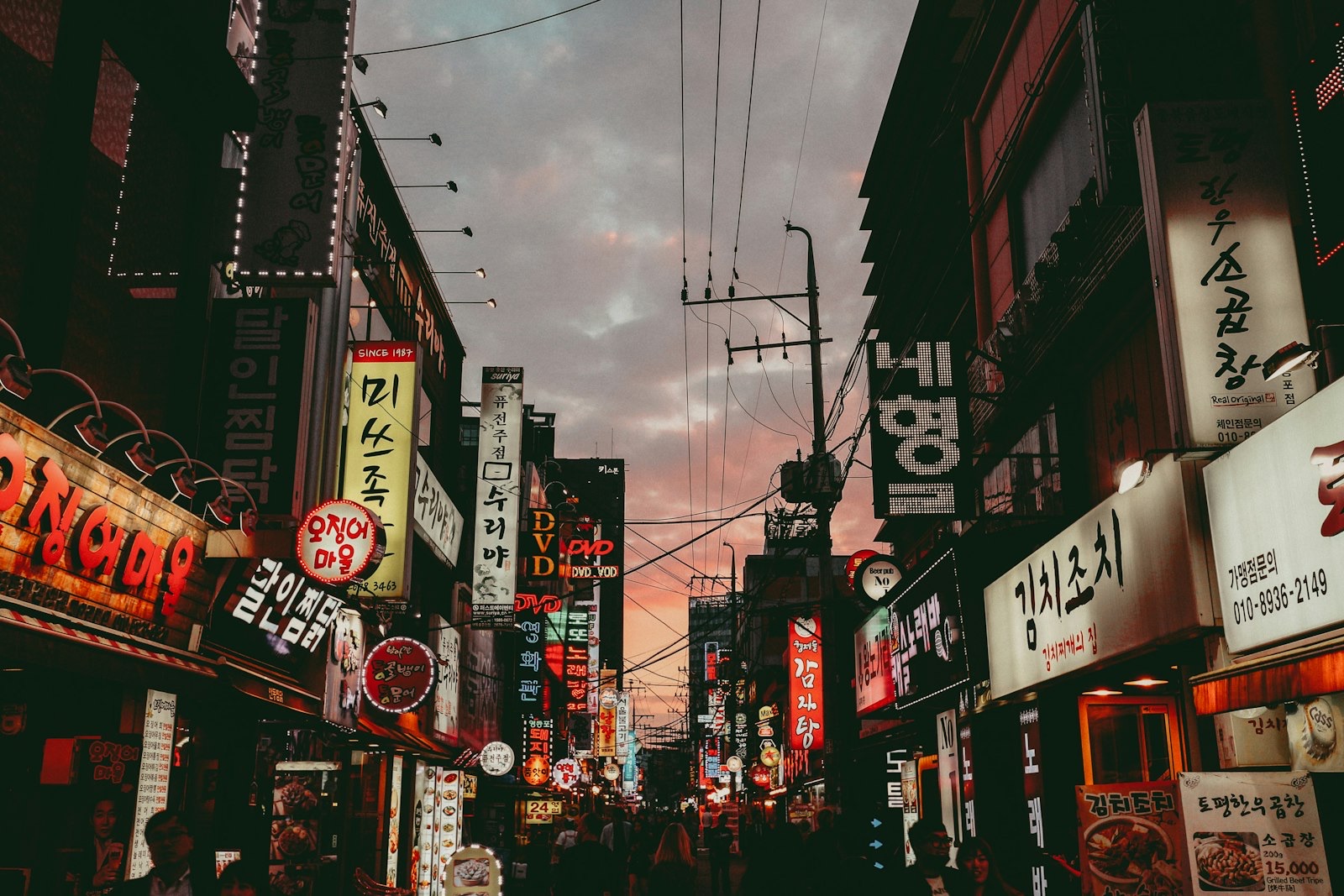
South Korea brings together royal palaces, mountain landscapes, historic villages and fast-moving contemporary cities within a country that is compact and relatively easy to explore.
Seoul is the natural starting point, where neighbourhood markets, traditional houses and the palaces of the Joseon dynasty sit alongside striking architecture, fashion, technology and an influential popular culture. Beyond the capital, journeys can continue to ancient Gyeongju, the coastal city of Busan, traditional communities around Andong and Jeonju, or the volcanic landscapes of Jeju Island.
An extensive high-speed rail network connects the principal cities, while shorter overland journeys lead into national parks, rural regions and smaller towns. This makes it possible to combine independent travel with private guiding, using each where it adds most to the experience.
South Korea may look small on a map, but its cities are extensive and many rural destinations lie some distance from the main railway stations. The most effective journeys use fast trains between major cities, then add private transport or local guiding where the public network becomes less convenient.
Why Visit South Korea?
South Korea offers an engaging combination of cultural heritage and contemporary energy.
The country’s long history is reflected in Seoul’s royal palaces, the temples and burial mounds of Gyeongju, the traditional houses of Jeonju and Andong, and Buddhist sites found throughout its mountains. These places introduce the dynasties, religious traditions and artistic achievements that shaped the Korean peninsula.
Modern South Korea is equally compelling. Seoul and Busan are centres of food, design, technology, music and film, while individual neighbourhoods retain strong local identities. Markets, cafes, restaurants and independent shops make everyday urban exploration an important part of the experience.
Food is central to Korean culture. Meals are often shared, regional specialities remain important and markets provide an accessible introduction to dishes extending far beyond internationally familiar Korean barbecue and kimchi.
Outside the cities, a mountainous landscape supports walking, cycling and seasonal nature experiences. National parks, coastal regions, tea fields and volcanic islands create considerable variety within relatively short travelling distances.
When to Visit South Korea
South Korea has four distinct seasons, each creating a different style of journey.
Spring
Spring generally arrives between March and May. Temperatures become increasingly comfortable, flowers appear throughout the country and cherry blossoms usually emerge in the south before moving north.
Exact flowering dates vary each year and cannot be guaranteed far in advance. This is also a popular travel period, so hotels and transport around the most sought-after dates should be arranged early.
Spring weather can change quickly. Cool mornings, warmer afternoons and occasional rainfall make layers useful.
Summer
Summer, from June to August, is warm and humid. Rainfall typically increases during part of the season, while coastal destinations and mountain regions provide opportunities for outdoor travel.
Summer is also associated with festivals and a lively atmosphere in the country’s cities and beach areas. Outdoor sightseeing is generally more comfortable when arranged earlier in the day.
Heavy rain or storms can occasionally affect walking routes, ferries and flights, particularly when travelling to islands.
Autumn
Autumn is one of the most rewarding periods to visit. Temperatures are generally pleasant, skies are often clear and foliage develops across national parks and historic sites.
Colours normally begin in northern and higher-altitude areas before progressing south. As with spring blossom, the precise timing varies each year.
National parks can become extremely busy during peak foliage weekends. Visiting on a weekday or staying near the park for an early start can create a more enjoyable experience.
Winter
Winter is cold, particularly in Seoul and the mountainous interior. Snow transforms selected temples, national parks and traditional villages, while ski resorts become active.
Busan and the southern coast are generally milder. Winter can provide a quieter cultural journey, although warm clothing is essential and some mountain routes may be affected by snow or ice.
How Long Should You Spend in South Korea?
A shorter visit of five to seven days can focus on Seoul with an excursion to Suwon, the Demilitarised Zone or another nearby destination.
With eight to ten days, visitors can combine Seoul with Gyeongju and Busan using the high-speed rail network. Jeonju or Andong can also be incorporated depending on the preferred route.
A journey of approximately two weeks creates time for broader exploration. This might include the mountains of Seoraksan, the southern coast, tea-growing regions or Jeju Island alongside the principal cities.
South Korea is relatively compact, but changing hotels every day is rarely necessary. Allowing several nights in Seoul and Busan, with shorter stays in smaller destinations, normally creates a more comfortable rhythm.
Places to Visit in South Korea
Seoul
Seoul is a vast capital shaped by historic districts, royal palaces, mountain scenery and contemporary neighbourhoods.
The palaces of Gyeongbokgung and Changdeokgung introduce the history of the Joseon dynasty, while Bukchon and nearby areas retain traditional hanok architecture. Markets, design districts, riverside spaces and neighbourhoods such as Insadong, Hongdae and Gangnam reveal very different sides of the city.
Seoul should not be approached as one compact centre. Crossing the city can take considerable time, so visits are best grouped by area. A day around the palaces and historic neighbourhoods works differently from one focused on contemporary architecture, shopping or the districts south of the Han River.
Hotel location should reflect the traveller’s interests. Staying near the palaces provides convenient access to historic Seoul, while other areas may be better suited to restaurants, nightlife, shopping or faster onward rail connections.
Food is an essential part of exploring the city, from market stalls and neighbourhood restaurants to contemporary Korean dining. A guided food experience is most rewarding when it explains ingredients, etiquette and regional influences rather than simply providing a succession of tastings.
At least three or four nights is recommended for a first visit. Seoul can easily justify longer for travellers interested in food, art, design, fashion or contemporary culture.
The Demilitarised Zone
The Demilitarised Zone separates South and North Korea and remains one of the most heavily fortified borders in the world.
Visits from Seoul provide insight into the division of the Korean peninsula, the Korean War and the continuing relationship between the two countries. A guided visit may include observation points, exhibition areas, tunnels and locations connected to the border’s history.
Access is controlled and can change according to security and operational conditions. Individual sites, including the Joint Security Area, may close without much notice. A DMZ visit should therefore not be presented as a guaranteed fixed programme.
Passport details may be required in advance, and visitors must follow instructions regarding identification, clothing and photography.
The experience is normally arranged as a half-day or full-day excursion from Seoul. It can be historically valuable, but it is only one part of understanding modern Korea.
Suwon
Suwon is best known for Hwaseong Fortress, an extensive late 18th-century complex of walls, gates and defensive structures surrounding the historic centre.
The fortress reflects the ambitions of King Jeongjo and represents an important stage in Korean military architecture and urban planning. Sections of the walls can be explored on foot, providing views across both the old city and modern Suwon.
Located south of Seoul, Suwon can be visited as a day excursion or incorporated into an overland route towards central Korea.
The complete circuit involves a reasonable amount of walking and several changes in elevation. A shorter section can be selected for travellers who prefer a gentler visit.
Jeonju
Jeonju is associated with traditional architecture, regional food and the cultural heritage of the Joseon dynasty.
The city’s Hanok Village contains hundreds of traditional houses, some now operating as guesthouses, workshops, teahouses and restaurants. The central lanes can become busy during the day, so staying overnight allows the area to be experienced in the quieter morning and evening hours.
A hanok stay provides atmosphere and a different style of accommodation, but comfort varies. Traditional bedding is commonly placed on the floor, rooms may be compact and sound can travel easily through older buildings. Travellers wanting the character of a hanok with conventional beds should choose carefully.
Jeonju is considered the home of bibimbap and has a particularly strong culinary identity. One or two nights allows time to explore the village and experience the city beyond a brief day visit.
Andong and Hahoe Village
Andong is known for Confucian traditions, regional food and historic communities.
Nearby Hahoe Village preserves traditional houses arranged around the Nakdong River. The village has maintained architectural and cultural traditions connected to the Ryu clan for several centuries and is surrounded by fields, forest and low mountains.
The region is also associated with masked dance and ceremonial traditions. Performances and festivals should be checked according to the actual travel dates rather than assumed to take place every day.
Andong and Hahoe are not directly on the main Seoul to Busan high-speed railway. Reaching them requires additional road or regional rail travel, so they work best when given at least one or two nights.
Gyeongju
Gyeongju was the capital of the Silla kingdom for almost a thousand years and contains one of South Korea’s greatest concentrations of historic sites.
Royal burial mounds rise throughout the city, while temples, palace remains, observatories and archaeological collections reveal the wealth and influence of the Silla period. Bulguksa Temple and Seokguram Grotto are among the region’s most important religious monuments.
Many central sites can be explored by bicycle or on foot. The illuminated palace remains around Donggung and Wolji Pond provide a different atmosphere after dark.
Bulguksa and Seokguram lie outside the centre and require additional transport. The grotto also involves walking and steps, so the visit should be planned around mobility and weather.
Two nights provides time to experience both the city and its surrounding historical landscape. A hurried day visit between Seoul and Busan misses much of Gyeongju’s evening atmosphere.
Busan
Busan is South Korea’s largest coastal city and an important centre of trade, food and maritime culture.
The city is spread between mountains and the sea, with fishing harbours, markets, beaches, contemporary architecture and hillside neighbourhoods. Jagalchi Market introduces Busan’s relationship with the ocean, while Haedong Yonggungsa Temple occupies a dramatic coastal position.
Busan is geographically dispersed. Haeundae, Gwangalli, Nampo and the central railway area are separated by substantial travelling time. Hotel selection should therefore reflect whether the priority is the beach, markets, nightlife, transport connections or a broader city experience.
A carefully planned day should concentrate on one part of Busan rather than moving repeatedly between opposite ends of the city.
Two or three nights is recommended. Travellers particularly interested in food, coastal walking or contemporary urban culture could comfortably stay longer.
Seoraksan National Park and Sokcho
Seoraksan is one of South Korea’s most celebrated mountain landscapes. Granite peaks, forested valleys, waterfalls and Buddhist temples attract walkers throughout the year.
Routes range from gentle valley walks to demanding mountain ascents. The right trail should be selected according to fitness, weather and available daylight rather than simply choosing the most famous viewpoint.
Cable-car access can provide an easier introduction to the scenery, but operations may be affected by wind and weather. It should not be treated as guaranteed.
The park becomes particularly busy during autumn foliage and national holidays. Staying in or near Sokcho makes an earlier start possible and avoids attempting a long return excursion from Seoul.
Sokcho also offers markets, coastal scenery and access to the East Sea. Two nights allows time for both the mountains and the surrounding region.
Gangneung and the East Coast
Gangneung lies between the mountains and the East Sea, combining beaches, historic houses, local markets and a growing cafe culture.
The city is associated with several important figures in Korean history and contains preserved residences from the Joseon period. Its coastline and rail connections make it a useful base for exploring the northeastern region.
Gangneung can be combined with Sokcho and Seoraksan or incorporated into a slower route along South Korea’s east coast.
The coast is accessible from Seoul by train, but continuing north towards Sokcho involves road travel. The route should be planned as a regional journey rather than assuming every destination is connected directly by high-speed rail.
Suncheon and the Southern Coast
Suncheon is surrounded by wetlands, reed fields, gardens and agricultural landscapes. Suncheon Bay is one of South Korea’s most important coastal wetland environments and provides habitat for a wide range of birdlife.
The appearance of the wetlands varies by season, weather and tide. Late afternoon can be particularly atmospheric, but the experience should be timed around local conditions.
The wider southern region includes historic temples, tea plantations, fishing communities and coastal cities such as Yeosu. Boseong is known for its carefully arranged green-tea fields.
These places are reasonably close geographically but are not all linked by simple direct trains. Private transport can make the region far more practical, particularly when combining several rural sites.
Two or three nights provides a nature-focused contrast to Seoul, Gyeongju and Busan.
Jeju Island
Jeju is a volcanic island south of the Korean mainland. Its landscape includes lava formations, waterfalls, coastal cliffs, beaches and Hallasan, South Korea’s highest mountain.
The island has its own cultural traditions, including those of the haenyeo women divers who have harvested seafood from the surrounding waters for generations. Walking routes known as the Jeju Olle Trails follow sections of the coast and rural interior.
Jeju is larger than many visitors expect, and its attractions are spread across the island. Public buses are available, but a private vehicle or rental car makes it considerably easier to combine coastal, volcanic and rural areas.
Hotel location matters. Staying in Jeju City provides convenience for the airport, while Seogwipo offers better access to many southern landscapes. Splitting a short visit between too many hotels is rarely necessary.
Walking Hallasan requires suitable fitness, advance planning for certain routes and awareness of weather conditions. Shorter volcanic and coastal walks provide good alternatives.
At least three nights is recommended, although four or five allows different parts of the island to be explored at a comfortable pace. For a short first visit to South Korea, adding Jeju may require sacrificing time in Seoul, Gyeongju or Busan.
Experiences in South Korea
Food and Markets
Food provides one of the most immediate ways to understand South Korea.
Experiences may include exploring markets, learning about fermentation, sharing Korean barbecue, trying temple cuisine or discovering specialities associated with individual cities and provinces.
Markets can be confusing without context, particularly where ordering systems and seating arrangements are unfamiliar. A knowledgeable guide can explain what to try while avoiding the sense of following a fixed tasting checklist.
Regional differences are worth exploring. Jeonju, Andong, Busan, Jeju and the southern provinces all have culinary identities that extend beyond dishes commonly encountered overseas.
History and Traditional Culture
History can be approached through Seoul’s palaces, Gyeongju’s Silla monuments, traditional villages and sites connected to the division of the Korean peninsula.
Private guiding adds most value where the architecture and surrounding landscape reveal only part of the story. This is particularly true at royal palaces, archaeological sites and the DMZ.
Traditional accommodation, crafts, calligraphy, tea and performances can also be incorporated, provided the experience suits the traveller rather than being added simply because it appears culturally appropriate.
Temple Stays
Temple stays provide an opportunity to experience Korean Buddhist traditions in an active religious setting.
Programmes may include meditation, communal meals, ceremonies, walking and conversations with members of the temple community. The schedule can begin early, and accommodation is usually simple.
A temple stay is not a conventional hotel experience. Guests are expected to respect the timetable, dress requirements, quiet atmosphere and rules of the community.
Some travellers will find an overnight stay deeply rewarding. Others may prefer a shorter temple visit or a daytime cultural programme.
Walking and Cycling
Walking and cycling can be incorporated in national parks, along coastal routes and through historic areas.
South Korea’s mountains can be steep even when the distance appears modest. Trail difficulty, elevation and surface conditions should all be considered.
Gentler options include sections of the Jeju Olle Trails, the walls of Suwon, central Gyeongju, riverside routes in Seoul and coastal paths around Busan.
Contemporary Culture
Contemporary interests can shape an entire journey through architecture, design, fashion, cinema, music and South Korea’s distinctive cafe and neighbourhood culture.
Seoul is the principal centre, but Busan also has a strong identity through film, art and maritime culture.
Experiences connected with Korean popular culture should be tailored to the traveller’s actual interests. A visitor interested in music production, fashion or television locations will need a different programme from someone wanting contemporary art and architecture.
Rail Travel
South Korea’s rail network is fast and reliable between the major cities. Seoul, Gyeongju and Busan can be combined efficiently without private road transfers covering the entire route.
However, the closest high-speed station may still be outside the historic centre. Gyeongju, Andong, Seoraksan and southern rural areas require additional planning after leaving the train.
Rail is therefore most effective when combined with local transfers rather than treated as the complete solution for every destination.
Suggested Ways to Explore South Korea
Seoul and the Surrounding Region
A shorter journey can focus on Seoul, with excursions to Suwon, the Demilitarised Zone or nearby mountain areas.
Four or five nights allows different sides of the capital to be explored without filling every day with long excursions.
Seoul, Gyeongju and Busan
A route of approximately ten days can connect Seoul, Gyeongju and Busan using high-speed trains.
This combines contemporary city life, ancient history and the southern coast. Allowing two nights in Gyeongju avoids treating it as a brief stop between the larger cities.
Historic Towns and Traditional Korea
Jeonju or Andong can be incorporated into a longer cultural journey.
Both require some deviation from the fastest Seoul to Busan route, so it is usually better to select the one that best suits the traveller’s interests rather than adding both automatically.
Mountains and the East Coast
Sokcho, Seoraksan and Gangneung can be combined into a journey through the northeast.
This route works particularly well for travellers interested in walking, seasonal landscapes and the coast. Additional road transport is useful once outside the principal railway network.
South Korea and Jeju
A more comprehensive journey can add several nights on Jeju Island.
Domestic flights connect Jeju with Seoul, Busan and other regional cities. Jeju is most worthwhile when at least three or four nights are available and the traveller is interested in nature, walking or island culture.
Planning Your South Korea Journey
South Korea is best planned around the balance of history, food, contemporary culture and nature that interests you.
High-speed trains work extremely well between the major cities, but private transport can add considerable value in national parks, rural regions and destinations where attractions are widely dispersed.
The season may affect blossom, autumn foliage, mountain routes and island travel. Hotel location is also important in large cities such as Seoul and Busan, where choosing the wrong district can add unnecessary travelling time.
The suggested journeys on our website are intended as starting points rather than fixed packages. They can be adjusted around your dates, interests, preferred accommodation and the balance of guided and independent time you would like.
Essential Travel Information
Seoul is South Korea’s principal international gateway, with Busan and Jeju receiving additional international services. Domestic flights are most useful for reaching Jeju Island and covering longer regional distances.
The high-speed KTX rail network connects Seoul with Busan and other major destinations. Regional trains and intercity buses extend the network, while private vehicles are useful for rural areas, national parks and multi-stop regional journeys.
Public transport within Seoul and the principal cities is extensive and efficient. Transport cards can be used across metro and bus networks, while taxis are widely available.
The local currency is the South Korean won. Cards are accepted almost everywhere, although carrying a small amount of cash remains useful for selected markets and smaller businesses.
English-language signs and announcements are common on major transport networks. English is less widely spoken in some rural areas and traditional establishments, where local guides can assist with communication and provide cultural context.
Entry requirements depend on nationality and can change, so travellers should consult current official information before departure.
Explore our South Korea journeys
Starting points rather than fixed packages — every one is shaped around your dates, interests and pace.
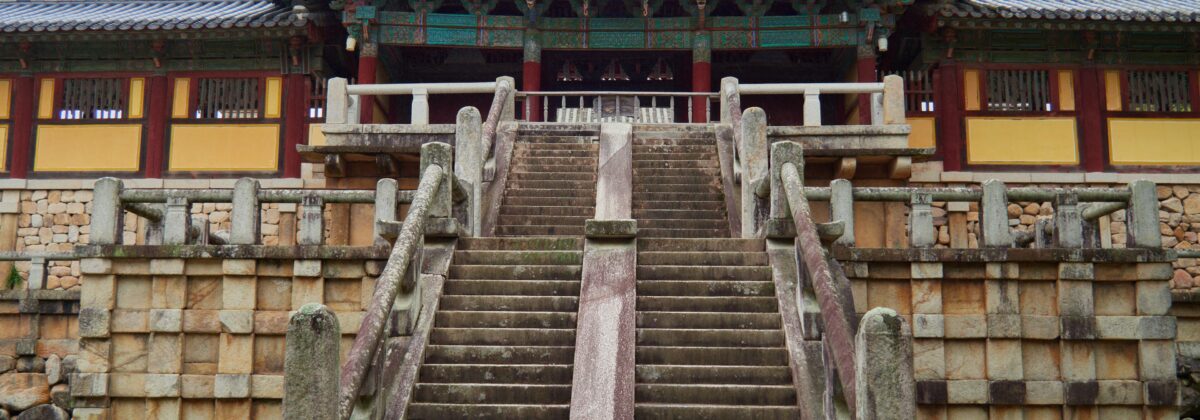 5 days
 Busan & Gyeongju: Coast to Ancient Capital
 12 days
 Japan & Korea: A Culinary Journey
 14 days
 Korea in Depth
Start planning your trip
Tell us your dates, your interests and the pace you enjoy, and we’ll shape a South Korea journey around them.