
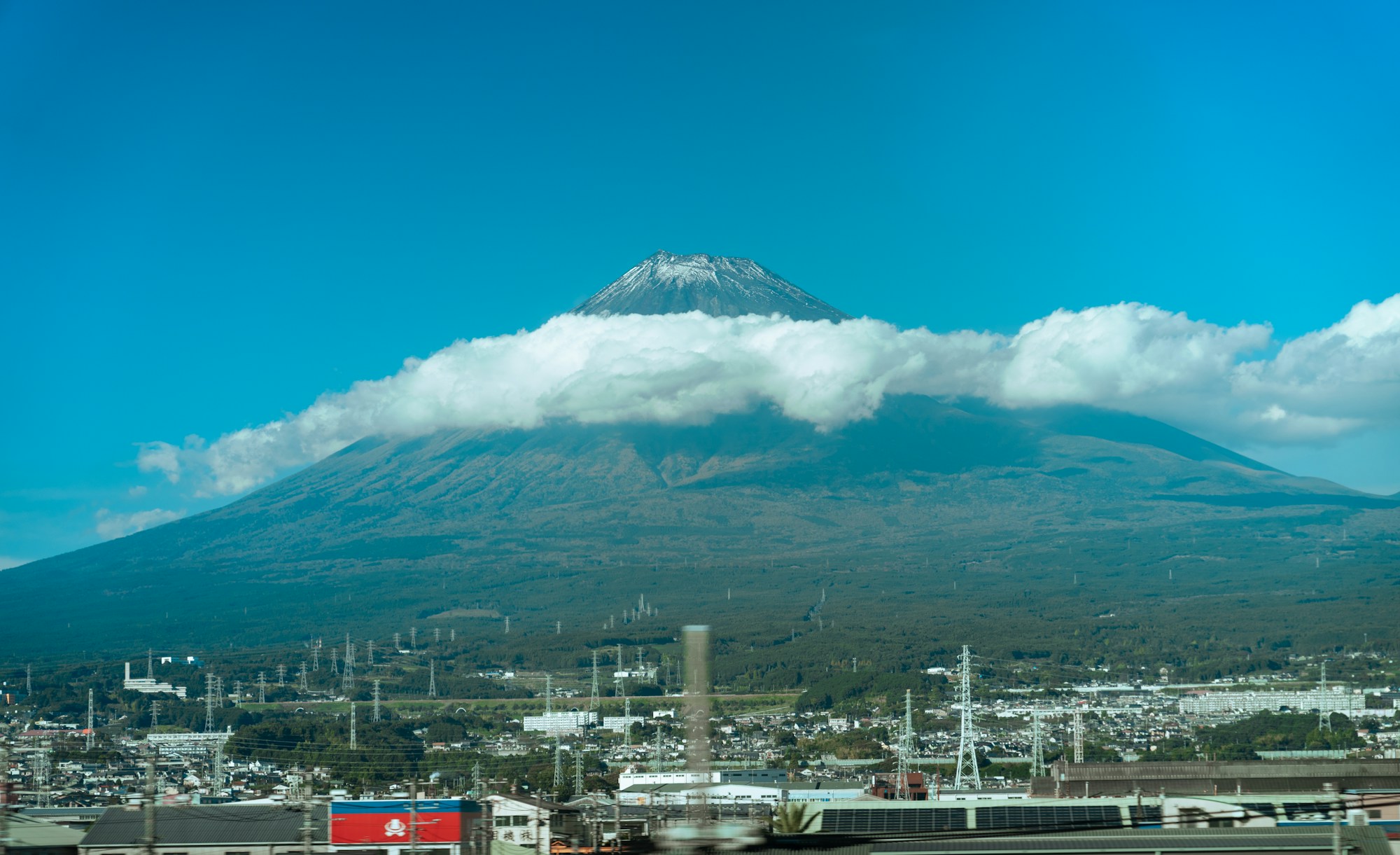
The journey
Travelling almost entirely by train, from a cycling tour and street food crawl in Tokyo to the snow monkeys of Shibu Onsen, a kendo lesson in Kanazawa's samurai district and kayaking to Miyajima's floating torii gate, fourteen days of Japan with a lighter footprint.
Japan: A Low-Carbon Journey travels the length of the country almost entirely by train, pairing the convenience of Japan's rail network with a lighter environmental footprint. Cycle Tokyo's backstreets and hidden neighbourhoods before an evening street food crawl through the city's izakaya, then ride the bullet train to Shibu Onsen for a stay in a traditional ryokan and a walk to Jigokudani Park to watch the famous snow monkeys bathe in hot spring baths. In Kanazawa, train in a kendo dojo, explore the samurai district of Nagamachi, and sip matcha in one of the city's oldest teahouses, before a full day among Kyoto's greatest shrines and temples. Visit Hiroshima's Peace Memorial Park, then kayak across the Seto Inland Sea to the floating torii gate of Itsukushima Shrine, before a final stop in Osaka.
Highlights
- Cycle Tokyo's backstreets and hidden neighbourhoods, then join an evening street food crawl through the city's izakaya
- Soak in the natural hot springs of Shibu Onsen and walk to Jigokudani Park to watch Japan's famous snow monkeys bathe
- Train in a traditional kendo dojo and explore Kanazawa's samurai district, finishing with a private antique sword viewing
- Sip matcha in one of Kanazawa's oldest teahouses, then spend a full day among Kyoto's greatest shrines and temples
- Kayak across the Seto Inland Sea to the floating torii gate of Itsukushima Shrine on Miyajima
- Travel the length of the trip almost entirely by train, from Tokyo's bullet trains to the coastal line into Hiroshima
Included
Accommodation
13 nights across Tokyo, Shibu Onsen, Kanazawa, Kyoto, Hiroshima and Osaka
Activities
Tokyo guided tour (Meiji Jingu, Harajuku, Omotesando, Koishikawa Korakuen Garden, Asakusa) · Tokyo cycling tour and street food crawl · Shibu Onsen (Jigokudani snow monkeys) · Kanazawa self-guided (Kenroku-en Garden, Kanazawa Castle, 21st Century Museum) and samurai day (kendo lesson, Nagamachi, Nomura Samurai House, Maeda Samurai Museum, private sword viewing) and guided garden walk (Kenroku-en, Gyokusen-en tea ceremony) · Kyoto guided tour (Fushimi Inari, Sanjusangendo, Nishiki Market, Nijo Castle, Nanzenji) · Hiroshima Peace Memorial Park · Miyajima kayaking to Itsukushima Shrine
Also included
English meet and greet with return airport transfers · train tickets on Days 4, 5, 6, 8, 11 and 13 · round-trip train and ferry between Hiroshima and Miyajima on Day 12 · English-speaking guides on Days 2, 7 and 11 · entrance fees and public transportation on Days 2, 7 and 11 · cycling and food tour in Tokyo on Day 3 · cultural experience in Kyoto on Day 9 · paddling experience in Hiroshima on Day 12 · breakfast daily from Day 2 (13 total), plus lunch on Days 2 and 9 and dinner on Days 3, 4, 5 and 13 · self-guide app and travel documentation
The route
Fourteen days across Japan
6 stops · Tokyo to Osaka Tokyo
Shibu Onsen
Kanazawa
Kyoto
Hiroshima
Osaka
Tokyo
Shibu Onsen
Kanazawa
Kyoto
Hiroshima
Osaka
Stop 1 of 6
Journey's end
Fourteen days, six stops. Make it yours.
Tell us who is travelling and when. A local expert replies within 24 hours with a version of this route shaped around you.
Stop 1 of 6
Day by day
The route in detail
Day 1
Arrival in Tokyo
Arrive in Tokyo, where a local representative will be waiting to help with the transfer into the city, whether by train or shuttle bus. The rest of the day is free to explore independently. Overnight in Tokyo.
Day 2
Tokyo's Shrines & Old Town
Meet a local guide for a full day through the capital. Begin at Meiji Jingu, Tokyo's most iconic Shinto shrine, its approach lined with towering torii gates and a forest of over 100,000 trees, then continue to Harajuku and Omotesando, the former known for quirky street fashion, the latter for upscale flagship boutiques. After lunch, visit Koishikawa Korakuen Garden, a fine example of traditional Japanese garden design, before finishing in Asakusa, home to Senso-ji, Japan's oldest Buddhist temple, and Nakamise Street's bustling market of traditional snacks and souvenirs. Overnight in Tokyo.
Day 3
Tokyo by Bike & Street Food Crawl
Meet a local guide at Sasazuka Station for a bicycle and helmet fitting, then set out on a cycling tour through Tokyo's backstreets and hidden neighbourhoods, including the hip shotengai shopping lanes of Shimo-Kitazawa, with stops for photos and a break at a charming cafe along the way. This evening, meet a food-loving guide for a Japan-style street food crawl through the city's laneways, sampling snacks from street carts before settling into an izakaya for shared plates like fried chicken wings and cold edamame, washed down with a cold local beer. The route continues through four or five distinctive venues over the course of the evening. Overnight in Tokyo.
Day 4
Tokyo to Shibu Onsen
Travel by Hokuriku bullet train to Nagano, then continue by limited express to Yudanaka Station, where a complimentary shuttle bus transfers guests to the ryokan. Settle into a traditional Japanese-style inn on Shibu Onsen's spa street, home to nine public onsen, where locals can be seen strolling in yukata on their way to a soak. Dinner this evening is kaiseki, a traditional multi-course Japanese meal made from the freshest local Nagano ingredients. Overnight in Shibu Onsen.
Day 5
Shibu Onsen's Snow Monkeys
This morning, visit Jigokudani Park, known as "hell's valley" for the steam and boiling water that bubbles from crevices in the frozen ground, and home to Japan's famous snow monkeys. Reaching the park requires around half an hour of trekking on foot, so comfortable footwear is recommended. Watch the resident Japanese macaques soak in the hot spring baths, accustomed enough to visitors to be observed at close range. Another kaiseki dinner awaits at the ryokan this evening. Overnight in Shibu Onsen.
Day 6
Shibu Onsen to Kanazawa
Continue the journey to Kanazawa, a castle town that has become a centre for classical and contemporary arts, from traditional Kaga-Yuzen silk dyeing and gold-leaf production to the modern works displayed at the 21st Century Museum of Contemporary Art. A suggested self-guided route starts at Kenroku-en Garden, ranked among Japan's three finest and home to the country's oldest fountain, and the neighbouring Kanazawa Castle, entered through the Ishikawa-mon Gate. Finish the afternoon at the 21st Century Museum of Contemporary Art, designed by Pritzker Prize winners Kazuyo Sejima and Ryue Nishizawa and known for progressive exhibits including Leandro Erlich's illusionistic "Swimming Pool" installation. Overnight in Kanazawa.
Day 7
Kanazawa's Samurai Heritage
Meet a local guide for a full day devoted to samurai heritage. Begin with a kendo lesson in a traditional dojo, learning the stances and sword techniques samurai retained even after their fighting days were over, using wooden training swords and, for a memorable photo, a full set of kendo armour and mask. After lunch, walk the walled streets of the Nagamachi samurai district, once home to the elite Kaga Clan, and step inside the beautifully preserved Nomura Samurai House, its elegant rooms overlooking an expertly designed garden. Continue to the Maeda Samurai Museum, a small but fascinating collection of antique armour, swords and calligraphy, before finishing with a rare private viewing of authentic centuries-old samurai swords, opened up for personal inspection by a local collector from a former samurai family. Overnight in Kanazawa.
Day 8
Kanazawa to Kyoto
Join a local guide for a morning walk through Kanazawa's gardens, beginning with a deeper look at Kenroku-en Garden, ranked among Japan's finest for centuries, with details easily missed without a guide's insight. Continue to Gyokusen-en, a smaller garden offering a more intimate contrast, for a visit to the oldest teahouse in Kanazawa and a bowl of matcha prepared in the true form of the tea ceremony. After the tour, board the bullet train to Kyoto, Japan's reigning cultural capital and home to around 2,000 shrines and temples, 17 of them UNESCO World Heritage Sites. Overnight in Kyoto.
Day 9
Kyoto's Iconic Sites
A full guided day through Kyoto's most iconic sites, beginning at Fushimi Inari Shrine, its thousands of orange torii gates stretching up the mountainside. Continue to Sanjusangendo, home to 1,001 life-sized golden Buddhist statues inside the world's longest wooden building, then browse Nishiki Market, known as Kyoto's kitchen, before lunch nearby. In the afternoon, visit Nijo Castle, an ornamental palace built for the shogun in the early 1600s and known for its chirping nightingale floors, before finishing at Nanzenji, a quiet Zen temple where monks have lived since 1291. Overnight in Kyoto.
Day 10
Free Day: Optional Nara Day Trip
Today is free, with the option to travel to Nara, Japan's capital for 74 years in the 8th century. Most sights cluster around Nara Park, home to hundreds of tame deer, including Todai-ji Temple, the world's largest wooden building and home to Japan's largest Buddha, and Kasuga Taisha, Nara's most celebrated shrine. Overnight in Kyoto.
Day 11
Kyoto to Hiroshima
Travel by train to Hiroshima. A suggested self-guided route begins near Genbaku Dome-mae Station at the A-Bomb Dome, the ruins of the former Industrial Promotion Hall, then crosses Motoyasu Bridge to the Children's Peace Monument and its booths of colourful paper cranes. Continue past the Cenotaph for the A-Bomb Victims, designed by Pritzker Prize winner Kenzo Tange, to the Peace Memorial Museum, a moving record of the city before and after the bombing. Stop for lunch nearby, with okonomiyaki, a savoury Japanese pancake, a local specialty worth seeking out. Overnight in Hiroshima.
Day 12
Miyajima Kayaking
Meet an instructor on the shores of mainland Hiroshima for a 30-minute introductory kayaking lesson, covering navigation and paddling technique. Set off across the Seto Inland Sea, taking in the views between Hiroshima and Miyajima Island as the vermilion torii gate of the UNESCO-listed Itsukushima Shrine comes into view, appearing to float on the water. Continue around Miyajima's shoreline, past its charming old town with Mt. Misen rising behind it, and go ashore on a quiet stretch of beach for a short break before paddling back to the meeting point. Overnight in Hiroshima.
Day 13
Hiroshima to Osaka
Today is free at leisure until the journey to Osaka, Japan's culinary capital. Recommended stops include Dotonbori, the city's neon-lit entertainment district known for takoyaki and other Osakan street food, and Umeda, home to the Umeda Sky Building's Floating Garden Observatory. This evening, meet a guide near Tenma Station for a food walk through three restaurants, from a standing tachinomi bar to izakaya kushikatsu skewers and a final round of yakitori and oden. Overnight in Osaka.
Day 14
Departure from Osaka
The rest of the day is at leisure until the scheduled transfer to Kansai International Airport for the departure flight.
Moments
Along the way
Keep exploring
More journeys in Japan
 15 days
 Japan: Beyond the Golden Route
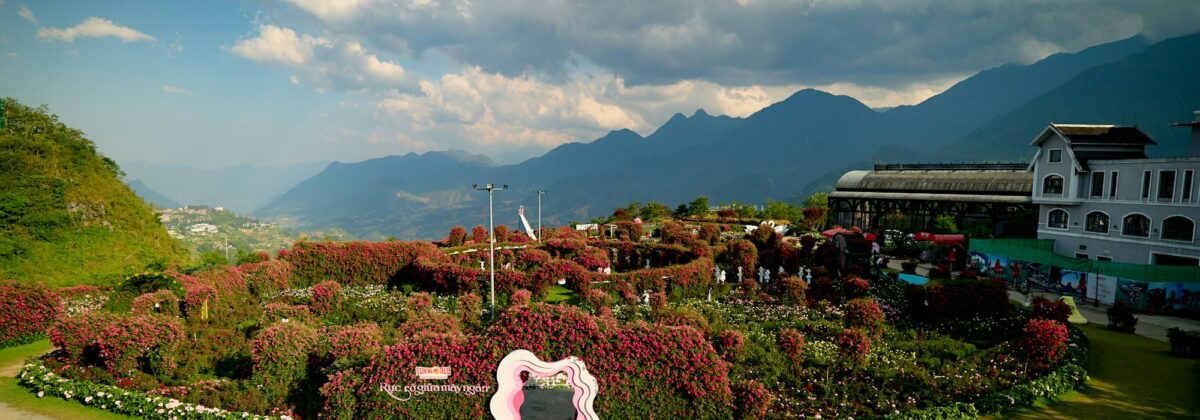
From Tokyo's temples and a cycling tour at the foot of Mt. Fuji to the pine-forested sandbar of Amanohashidate, the boathouse village of Ine, a rural cycling tour near Kinosaki Onsen and Takamatsu's finest garden, fifteen days pairing Japan's classic highlights with its quieter countryside.
 14 days
 Active Japan: A Luxury Journey
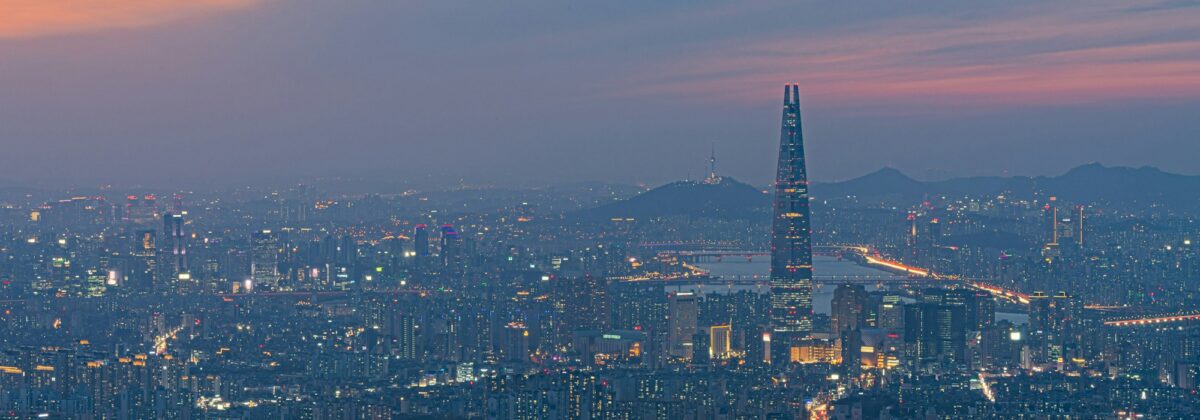
Learn samurai swordsmanship in Tokyo, forest-bathe among ancient cedars in the Kiso Valley, cycle Kyoto's UNESCO temples, kayak to Miyajima's floating torii gate, and overnight in a mountaintop temple lodge at Koyasan, fourteen days of active adventure between Japan's most exclusive stays.
 15 days
 Trails of Western Japan
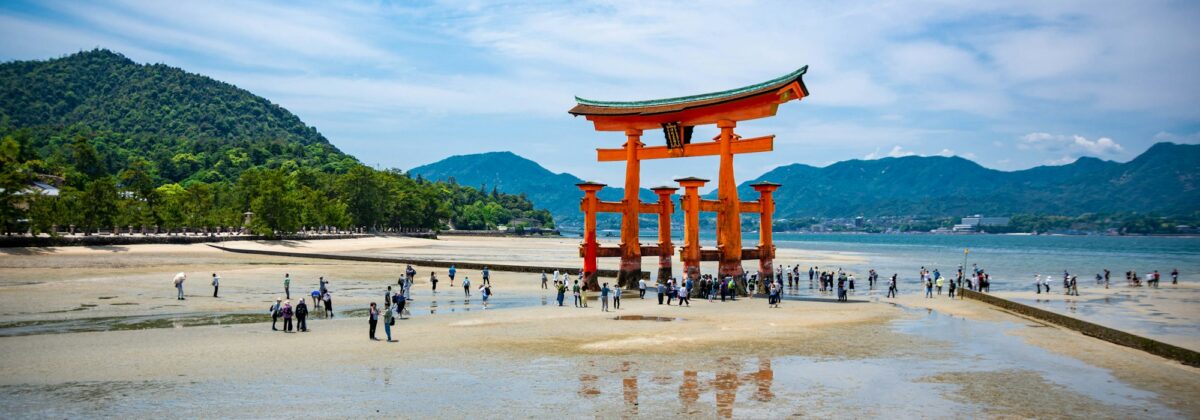
Walk a stretch of the historic Nakasendo trail, cycle Kyoto's UNESCO temples, cross Iya Valley's vine bridges, island-hop to Miyajima's floating torii gate, and hike among Yakushima's ancient cedar forests, a 15-day trail through the mountains, art islands and wild coastlines of western Japan.
Make this journey yours
Tell us your dates, your pace and what you love. We'll shape the rest.