
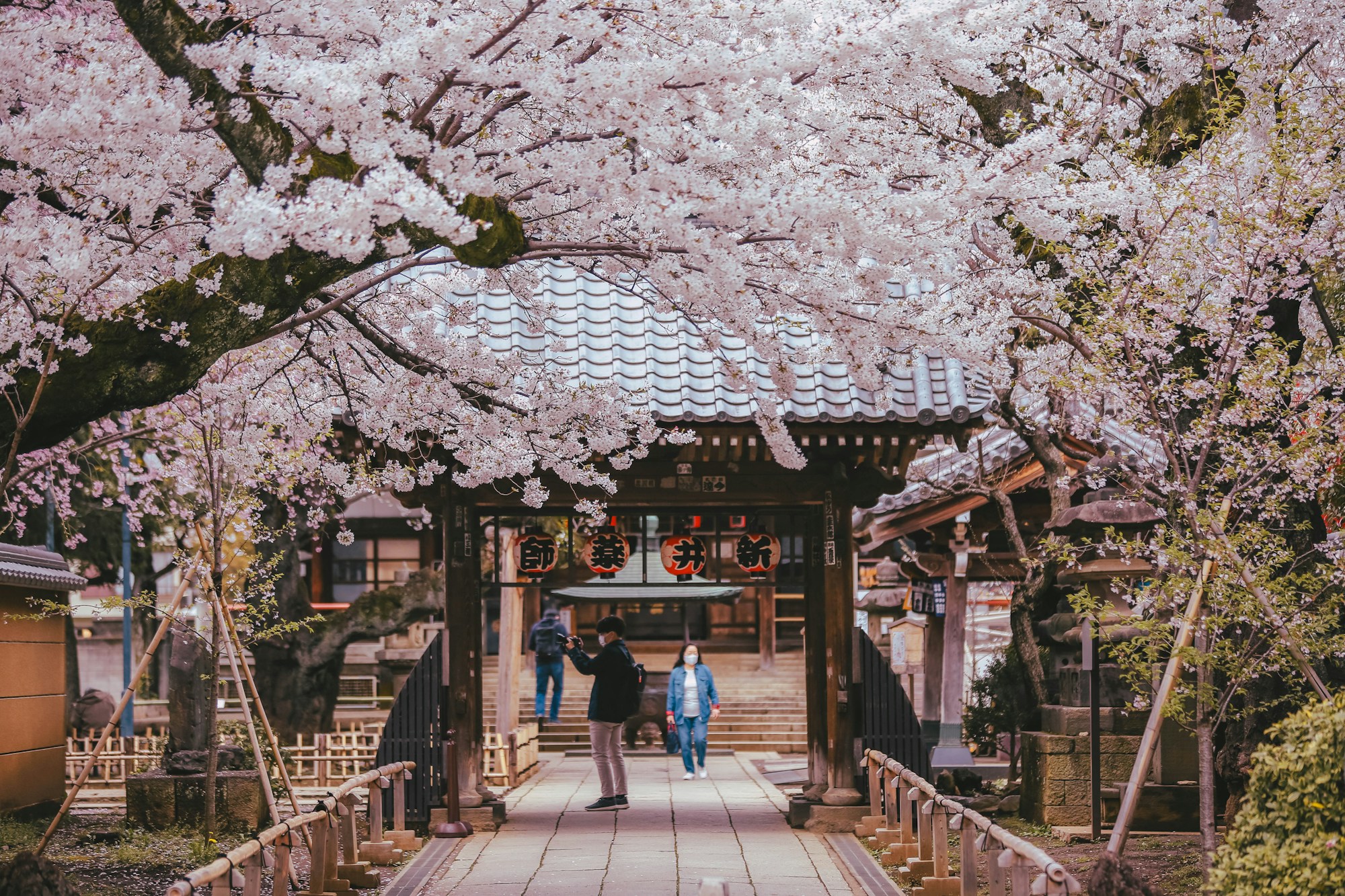
The journey
From a sculptor's atelier and hands-on craft workshops in Tokyo to Kanazawa's museums, a private calligraphy lesson in Kyoto, the contemporary art islands of Naoshima and Takamatsu's traditional lacquer and temari workshops, fourteen days tracing Japanese art from ancient shrines to modern masterpieces.
Japan: An Art & Culture Journey traces the country's artistic heritage across fourteen days, from Tokyo to Osaka. Begin in Tokyo's old shitamachi districts and fashion-forward Omotesando, with the option to add a kabuki performance or a hands-on kintsugi and glass-cutting workshop. In Kanazawa, wander the historic Nagamachi samurai district's craft shops and the boldly modern 21st Century Museum of Contemporary Art, with a day trip to the UNESCO-listed thatched farmhouses of Shirakawago. Kyoto brings a private calligraphy lesson, a guided day through Sanjusangendo's 1,001 golden statues and the preserved home of folk-art ceramicist Kawai Kanjiro, and an immersive tea ceremony in full kimono. Ferry to Naoshima, the Seto Inland Sea's celebrated art island, home to Yayoi Kusama's giant pumpkins and the Benesse Art Site, before continuing to Takamatsu for hands-on lacquerware and temari embroidery workshops, and a final night in Osaka.
Highlights
- Explore Tokyo's old shitamachi districts and a celebrated sculptor's atelier, with the option to add a kabuki performance or hands-on kintsugi and glass-cutting workshops
- Wander Kanazawa's historic samurai craft district and the boldly modern 21st Century Museum of Contemporary Art, with a day trip to the UNESCO-listed farmhouses of Shirakawago
- Take a private calligraphy lesson and spend a day among Kyoto's greatest temple art, from Sanjusangendo's 1,001 golden statues to a folk-art ceramicist's preserved home
- Dress in kimono for an immersive Japanese tea ceremony with a master in Kyoto
- Cycle by electric bike around Naoshima, the Seto Inland Sea's celebrated contemporary art island, and stay within the Benesse Art Site itself
- Learn traditional Sanuki lacquerware and temari embroidery in hands-on workshops with local craft masters in Takamatsu
Included
Accommodation
13 nights across Tokyo, Kanazawa, Kyoto, Naoshima, Takamatsu and Osaka, including a stay at Naoshima's Benesse House, part of the island's celebrated art site
Activities
Tokyo guided art walk (Yanaka, Asakura Museum of Sculpture, Asakusa, Omotesando, Harajuku, Meiji Jingu) · Kanazawa self-guided craft district and 21st Century Museum, plus a Shirakawago day trip · private calligraphy lesson and guided art and temple day in Kyoto · tea ceremony experience in Kyoto · Naoshima electric bike art tour · Takamatsu lacquerware and temari workshops
Also included
English meet and greet with return airport transfers · train tickets on Days 4, 6, 9 and 13 · round-trip bus tickets on Day 5 (Kanazawa to Shirakawago) · English-speaking guides on Days 2 and 7 · entrance fees and public transportation on Days 2 and 7 · calligraphy experience on Day 6 · tea ceremony on Day 8 · Naoshima full-day cycling tour on Day 10 · Takamatsu craft workshops on Day 12 · breakfast daily from Day 2 · self-guide app and travel documentation
The route
Fourteen days across Japan
6 stops · Tokyo to Osaka Tokyo
Kanazawa
Kyoto
Naoshima
Takamatsu
Osaka
Tokyo
Kanazawa
Kyoto
Naoshima
Takamatsu
Osaka
Stop 1 of 6
Journey's end
Fourteen days, six stops. Make it yours.
Tell us who is travelling and when. A local expert replies within 24 hours with a version of this route shaped around you.
Stop 1 of 6
Day by day
The route in detail
Day 1
Arrival in Tokyo
Arrive in Tokyo, where a local representative will be waiting to help with the transfer into the city, whether by train or shared shuttle. The rest of the day is free to settle in. Overnight in Tokyo.
Day 2
Tokyo's Art & Architecture
Meet a local guide for a full day through the capital's old and new faces. Begin in Yanaka, one of Tokyo's shitamachi (old town) neighbourhoods and home to many local artists and craftsmen, with a stop at the Asakura Museum of Sculpture, the preserved atelier of celebrated sculptor Fumio Asakura, complete with a serene indoor water garden. Walk to nearby Yanaka Ginza, a narrow street of food stalls, specialty shops and teahouses. Continue by train to Asakusa, another shitamachi district and home to Senso-ji, Tokyo's oldest Buddhist temple, its surrounding streets filled with traditional shops. In the afternoon, cross the city to Omotesando, often called Tokyo's Champs-Elysees, lined with flagship fashion stores designed by internationally renowned architects, including a Prada store by Herzog & de Meuron. Continue to Harajuku, centred on Takeshita Street's boutiques and cafes, before finishing at Meiji Jingu, Tokyo's most famous shrine. Overnight in Tokyo.
Day 3
Free Day in Tokyo
Today is free to explore independently, with a choice of specialised add-on tours. Options include a guided kabuki performance at the famous Kabuki-za Theatre in Ginza, preceded by an orientation over matcha and Japanese sweets; a crafts tour that pairs an Edo Kiriko glass-cutting workshop in Asakusa with a kintsugi session, learning the art of repairing broken ceramics with gold lacquer at an established pottery artist's studio; or a photography walk through the steel-and-glass districts of Ginza, Shimbashi, Shiodome and Yurakucho with an expert instructor. Overnight in Tokyo.
Day 4
Tokyo to Kanazawa
Continue by train to Kanazawa, a castle town that has become a centre for classical and contemporary arts, from traditional Kaga-Yuzen silk dyeing and gold-leaf production to the modern works displayed at the 21st Century Museum of Contemporary Art. A suggested self-guided route starts in Nagamachi, a historic neighbourhood where samurai once resided, home to a handful of local craft shops specialising in Kutani porcelain, Kaga-Yuzen dyeing and Kaga Maki-e lacquerware painting. Stop at Nomura-ke House, the only samurai residence open to the public, for a cup of fresh green tea overlooking its small garden, before finishing at the 21st Century Museum of Contemporary Art, designed by Pritzker Prize winners Kazuyo Sejima and Ryue Nishizawa and known for progressive exhibits including Leandro Erlich's illusionistic "Swimming Pool" installation. Overnight in Kanazawa.
Day 5
Kanazawa, Day Trip to Shirakawago
Today is free at leisure, with a suggested bus excursion to Shirakawago, a UNESCO World Heritage Site known for its gassho-zukuri farmhouses, their steep thatched roofs built without nails to withstand heavy snowfall. Some of these private homes, such as Wada House, are open to the public. Return to Kanazawa and continue exploring independently, with Kenroku-en Garden, ranked among Japan's three finest and home to the country's oldest fountain, and the neighbouring Kanazawa Castle, entered through the Ishikawa-mon Gate, both worth a visit. Overnight in Kanazawa.
Day 6
Kanazawa to Kyoto
Travel by limited express train to Kyoto, home to 2,000 shrines and temples, tea ceremonies and Geisha. This afternoon, join a private calligraphy lesson at the home of a local instructor, who explains how kanji came to Japan from China and the differences between kanji, hiragana and katakana. Try writing characters under the instructor's guidance and take home the finished piece as a souvenir. Overnight in Kyoto.
Day 7
Kyoto's Artistic Treasures
A guided day through some of Kyoto's most significant artistic sites, starting at Sanjusangendo Temple, famed for its 1,001 statues of the goddess of mercy, Kannon, a stunning example of 13th-century religious art. A short walk away is the preserved home and workshop of Kawai Kanjiro, a mid-20th-century sculptor and potter best remembered for popularising the mingei folk art movement, filled with his own work. Continue through the atmospheric Higashiyama District, its lanes lined with shops selling Kiyomizu-yaki ceramics and traditional sweets, then visit Eikando, a Buddhist temple restored to its historical glory with rainbow-coloured decoration, where the guide shares the story behind its central statue of Amida Buddha. Follow the Philosopher's Path, a tranquil canal-side walk lined with cherry trees, to Ginkaku-ji, the Silver Pavilion, a Zen temple built as a retirement villa for a 15th-century shogun and known for its moss garden and dry sand garden. This evening, an optional add-on traces the streets of Gion, Kyoto's Geisha district, past Yasaka Shrine and the teahouse-lined lane of Hanami-koji, followed by a traditional kaiseki dinner in the company of a Maiko, who performs traditional dances during the meal. Overnight in Kyoto.
Day 8
Kyoto Tea Ceremony
Meet a tea master in a private setting for an interactive look at one of Japan's quintessential arts, the tea ceremony. Before the tea is prepared, be dressed in kimono and learn the history of the ceremony and its roots in Zen Buddhism, then follow the master step by step through the ritual of preparing sado. Traditional wagashi confectionery is served before the tea itself, sweetening the palate ahead of the matcha's bitterness. Overnight in Kyoto.
Day 9
Kyoto to Naoshima
Travel to Naoshima, one of the Seto Inland Sea's art islands and home to the triennial Setouchi Triennale contemporary art festival. After docking at Miyanoura Port, stop at the tourist information centre for maps and bicycle rental, then find the giant red pumpkin, one of artist Yayoi Kusama's outdoor sculptures, and I Love U, a combined artwork and public bathhouse. On the island's eastern side is the Ando Museum, its interior built in the architect's signature plain-concrete style within a traditional Japanese house. Take the local bus to Tsutsuji-so to find a second Kusama pumpkin sculpture, with time to relax on the beach before the shuttle to Benesse House. Overnight at Benesse House on Naoshima, part of the Benesse Art Site itself and offering guests after-hours access to its own museum.
Day 10
Naoshima's Art Sites
Meet the guide and pick up electric bikes to explore the art scattered across the island. Begin with an overview of Naoshima's port area and its architectural transformation, then visit several of the House Projects, renovated homes reworked into art installations that reflect the island's past and present, chosen with the guide based on personal interest. After lunch at a local cafe, spend the afternoon at the sprawling Benesse Museum, one of Japan's most important centres of contemporary art, with the seaside Yellow Pumpkin, another Kusama work, found along the coastal Benesse Park. Cycle back to the port and part ways with the guide. Overnight at Benesse House on Naoshima.
Day 11
Naoshima to Takamatsu
Today is free at leisure until the morning ferry to Takamatsu, the closest point in Shikoku to the main island of Honshu and a former feudal-era castle town. A suggested self-guided route leads to Ritsurin Park, a 75-hectare Special Place of Scenic Beauty built in the 1620s as a private garden, its thirteen hills and six ponds framed by Mt. Shiun. Break for afternoon tea at Kikugetsu-tei, a teahouse set within the park overlooking Nan-ko pond. Overnight in Takamatsu.
Day 12
Takamatsu's Traditional Crafts
Meet a local guide for a day of hands-on craft workshops. Begin at the Sanuki Lacquer Art Museum, a small private museum run by a local couple devoted to regional crafts, for a lesson in Sanuki lacquer technique, creating a personal set of wooden chopsticks, later mailed on once the lacquer has dried. Continue to the Kagari Temari Preservation Association, a small crafting society led by celebrated temari master Eiko Araki, to learn the history of these embroidered spheres and create one using traditional techniques. Overnight in Takamatsu.
Day 13
Takamatsu to Osaka
Travel back to the mainland this morning, with a suggested detour before Osaka to Kurashiki's nostalgic Bikan canal district, home to the Ohara Museum of Art, Japan's oldest Western art museum, with works by El Greco, Matisse and Picasso, or to Okayama, known for its black-walled "Crow Castle" and neighbouring Korakuen Garden, one of the Three Great Gardens of Japan. Continue to Osaka, Japan's culinary capital, for the evening. Recommended stops include Dotonbori, the city's neon-lit entertainment district known for takoyaki and other Osakan street food, and Umeda, home to the Umeda Sky Building's Floating Garden Observatory. An optional add-on threads through three restaurants for a night of Osakan specialities, from a standing tachinomi bar to izakaya skewers and a final round of yakitori. Overnight in Osaka.
Day 14
Departure from Osaka
The rest of the day is at leisure until the scheduled transfer to Kansai International Airport for the departure flight.
Moments
Along the way
Keep exploring
More journeys in Japan
 15 days
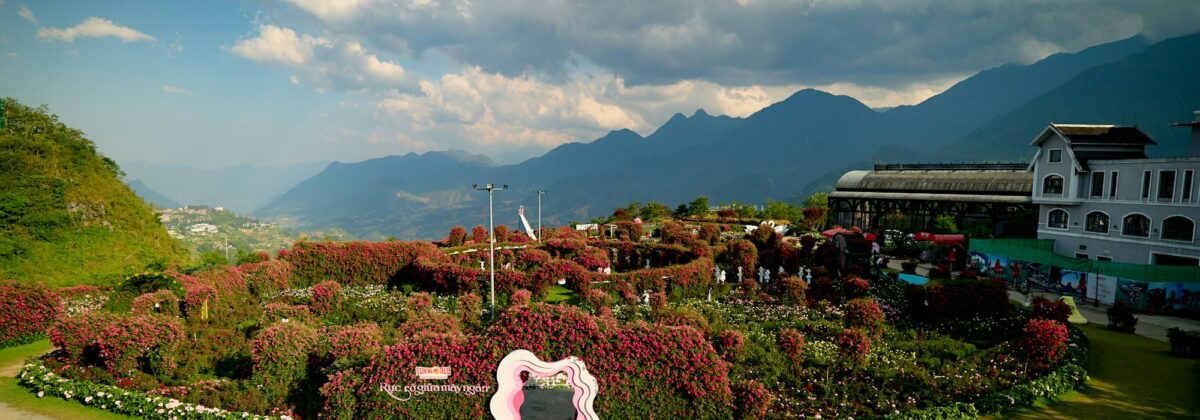
 Japan: Beyond the Golden Route
From Tokyo's temples and a cycling tour at the foot of Mt. Fuji to the pine-forested sandbar of Amanohashidate, the boathouse village of Ine, a rural cycling tour near Kinosaki Onsen and Takamatsu's finest garden, fifteen days pairing Japan's classic highlights with its quieter countryside.
 14 days
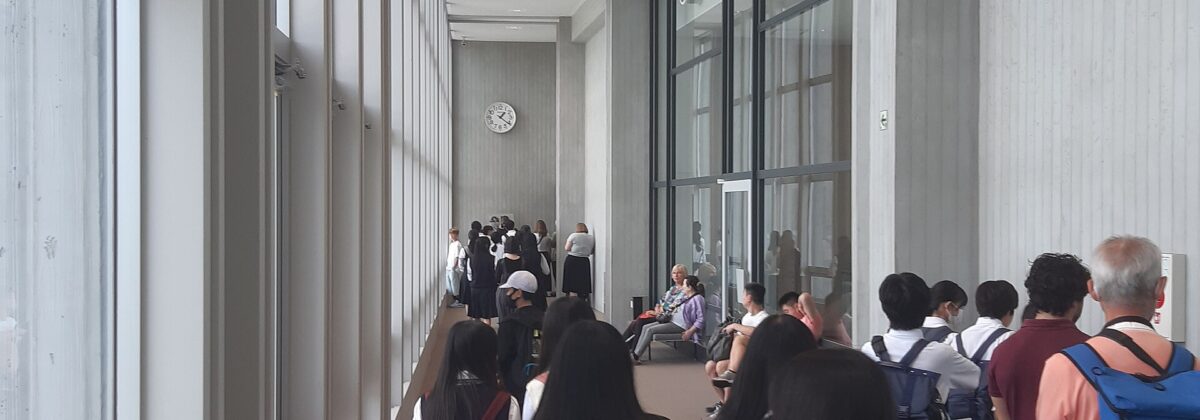
 Japan: A Family Journey
From a Cup Noodle-making workshop in Yokohama and a traditional sweets class in Kanazawa to Miyajima's floating torii and Kyoto's greatest shrines, fourteen days of Japan built for families, with kid-friendly museums and hands-on history at every stop.
 15 days
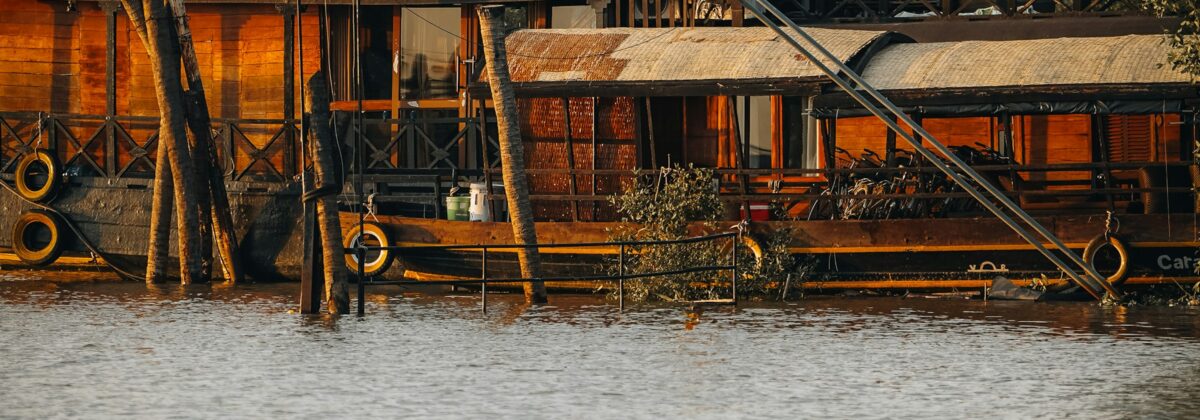
 Japan’s Sacred & Storied Sites
From Shirakawago's UNESCO-listed farmhouses and Kyoto's temples to a night in a Koyasan temple lodge and an overnight stay on the sacred island of Miyajima, fifteen days through Japan's most storied and sacred sites.
Make this journey yours
Tell us your dates, your pace and what you love. We'll shape the rest.