
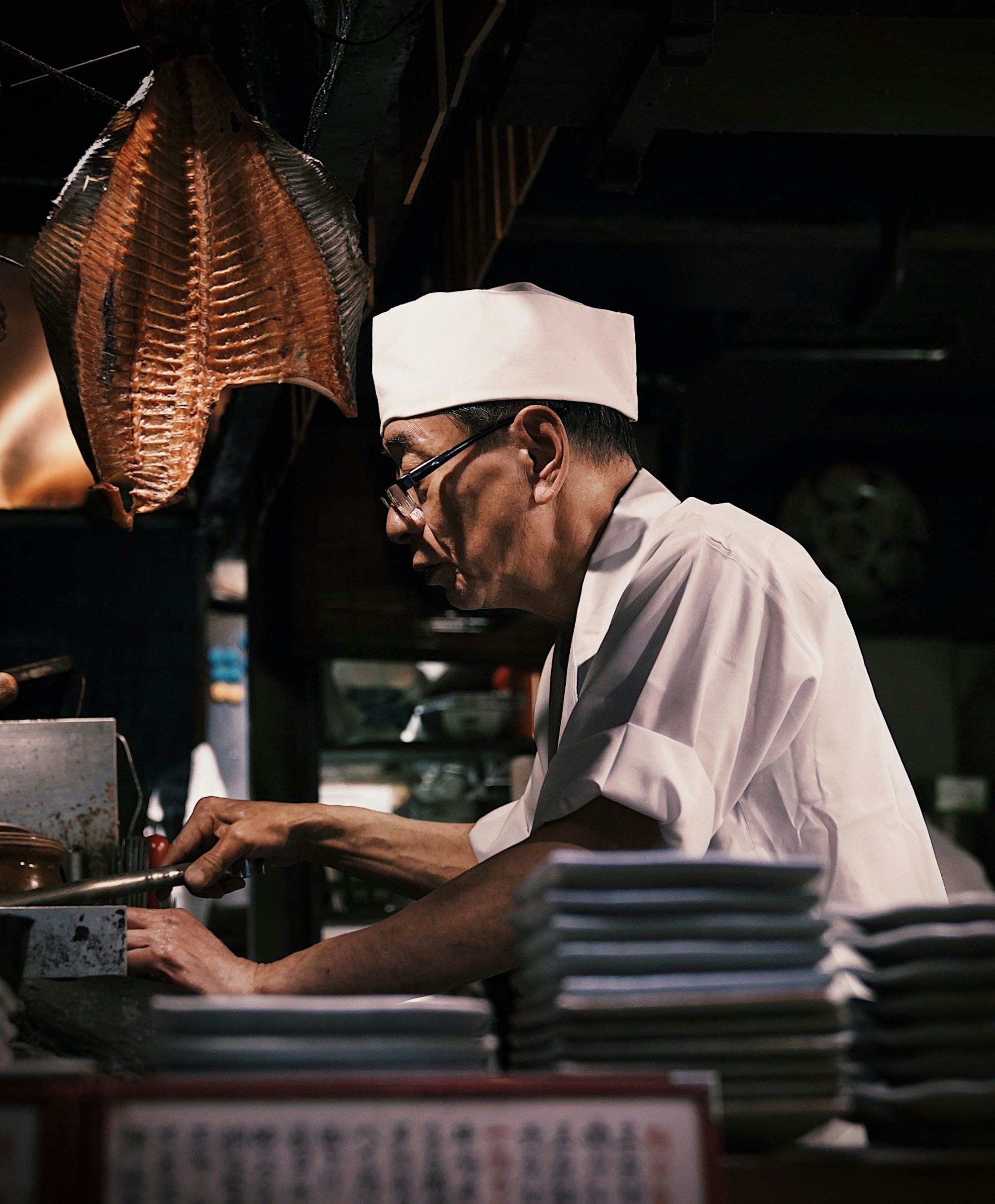
The journey
Learn to make soba by hand in Tokyo, sleep in a mountain temple lodge, cook sushi in a Kyoto machiya and eat your way through Fukuoka's yatai stalls and Osaka's Dotonbori, with UNESCO shrines and temples woven throughout.
Japan's Table: A Culinary Journey is a twelve-day feast through five of Japan's most distinctive cities, built around the country's food as much as its temples and shrines. Hand-cut soba noodles at a dedicated Tokyo academy, then trade the city for a night at a mountain temple lodge in Nagano, joining monks for shojin ryori and a candlelit morning prayer. In Kyoto, walk Nishiki Market before a sake tasting and sushi-making class in a traditional machiya townhouse, between visits to Fushimi Inari's endless torii gates and Sanjusangendo's thousand golden Buddhas. Taste your way through Fukuoka's fish market and yatai stalls, then finish in Osaka, Japan's self-declared food capital, on a guided food crawl through Dotonbori's neon-lit backstreets.
Highlights
- Hand-cut soba noodles at a dedicated Tokyo noodle academy, then eat your creation tachigui-style for lunch
- Overnight at a traditional Buddhist temple lodge in the Japanese Alps, joining monks for a candlelit morning prayer service
- Walk Nishiki Market with a local guide before a sake tasting and hands-on sushi-making class in a Kyoto machiya townhouse
- Wander beneath thousands of vermillion torii gates at Fushimi Inari Shrine and 1,001 golden Buddhist statues at Sanjusangendo
- Taste Kyushu's best street food at Fukuoka's fish market, depachika food halls and famous yatai stalls
- Finish with a guided food crawl through Osaka's neon-lit Dotonbori district, Japan's self-declared culinary capital
Included
Accommodation
11 nights across Tokyo, Nagano, Kyoto, Fukuoka and Osaka
Activities
Tsukiji Outer Market · Hama-Rikyu Teien · Asakusa and Senso-ji Temple · Kappabashi · Ameyoko-cho · soba-making workshop at a Tokyo noodle academy · Zenkoji Temple · overnight at a Buddhist temple lodge with a shojin ryori dinner · Zenkoji morning prayer service · Fushimi Inari Shrine · Sanjusangendo · Nishiki Market · Nijo Castle · Nanzenji Zen Temple · Nishiki Market food tour, sake tasting and sushi-making cooking class · Fukuoka food tour (fish market, depachika, yatai street stalls) · Osaka Castle · Okawa River cruise · Dotonbori · Kamigata Ukiyo-e Museum · Hozen-ji Yokocho and Hozen-ji Temple · guided Osaka food tour
Also included
Airport meet-and-greet with return transfers · Shinkansen train tickets on Days 4, 5, 8 and 10 · English-speaking guides for tours on Days 2, 6 and 11, with entrance fees and public transport included on those days · breakfast daily from Day 2 (11 total), plus 3 lunches and 4 dinners
The route
Twelve days across Japan
5 stops · Tokyo to Osaka Tokyo
Nagano
Kyoto
Fukuoka
Osaka
Tokyo
Nagano
Kyoto
Fukuoka
Osaka
Stop 1 of 5
Journey's end
Twelve days, five stops. Make it yours.
Tell us who is travelling and when. A local expert replies within 24 hours with a version of this route shaped around you.
Stop 1 of 5
Day by day
The route in detail
Day 1
Arrival in Tokyo
Arrive into Tokyo, where a local representative will be waiting to help with the transfer into the city, whether by train or shuttle bus to the hotel. The rest of the day is free to rest, wander the neighbourhood or ease into the time difference before the trip's culinary introduction begins tomorrow. Overnight in Tokyo.
Day 2
Tokyo's Markets, Gardens & Geisha Streets
Meet a local guide this morning for a walk through Tsukiji Outer Market, still a lively hub of traditional shops and sushi counters even after the main wholesale market moved to Toyosu. Pick up a plate of fresh sushi from a nearby stall, then continue to Hama-Rikyu Teien, once the private garden of an Edo-period lord. Stroll the grounds to a lakeside teahouse for a cup of matcha and a lesson in the rituals of sado, Japanese tea ceremony. From the garden, walk into Asakusa, Tokyo's old geisha quarter and home to Senso-ji, the city's oldest Buddhist temple. Stop for lunch nearby, where the local specialty is tempura, before continuing to Kappabashi, a street lined with shops selling knives, tableware and lifelike food replicas. The day winds down in Ameyoko-cho, a former black-market alley turned lively food-stall street in Ueno, before an evening free to explore further, with the option to join a guided food walk through Tokyo's older districts. Overnight in Tokyo.
Day 3
Soba-Making in Tokyo
Head into central Tokyo for a hands-on culinary morning at a dedicated soba academy. Meet the school's founder or a master chef for an introduction to mazumizu, the simple, fluid technique behind hand-made buckwheat noodles. Watch a "sobatician" sift the buckwheat and work it into dough, then take a turn mixing, kneading and rolling it out to a precise 1.5-millimetre thickness before cutting individual noodles by hand, a skill that takes years to master but is a delight to try. Once the noodles are cooked, eat them tachigui-style, standing up, the traditional way to enjoy soba at its best, for lunch. The rest of the day is free, with the option to join an evening food walk through three of Tokyo's old-town restaurants. Overnight in Tokyo.
Day 4
Tokyo to Nagano & Zenkoji Temple
Board the Shinkansen bullet train this morning for the 90-minute ride through the Japanese Alps to Nagano, known as the "Roof of Japan". The city grew up around Zenkoji Temple, founded in the 7th century and said to house Japan's very first Buddhist statue, permanently hidden from view but revealed as a replica once every six years. Visit the temple, with the option to join a local guide for the goma fire ceremony and a session of zazen meditation. Tonight's stay is at a traditional shukubo, a Buddhist temple lodge where the evening meal is shojin ryori, the same restrained, vegetarian cuisine eaten by monks for centuries. Overnight in Nagano.
Day 5
Nagano to Kyoto
Rise early to join the temple's morning prayer service, listening to the priests chant and drum as they greet the day, followed by a vegetarian breakfast. Then board a scenic train through the Japanese Alps and on to the bullet train bound for Kyoto, Japan's cultural capital and home to some 2,000 shrines and temples, including 17 UNESCO World Heritage Sites. The rest of the day is free to settle in, with the option to join an evening food walk through the geisha districts of Gion and Pontocho. Overnight in Kyoto.
Day 6
Kyoto's Shrines & Temples
Begin at Fushimi Inari Shrine, where thousands of vermillion torii gates climb the mountainside in long tunnels, one of the clearest places in Japan to feel Shinto's reverence for nature. Continue by train to Sanjusangendo, a Buddhist temple often overlooked by visitors, where 1,001 life-sized golden Buddhist statues line the world's longest wooden building. Walk through Nishiki Market, known as "Kyoto's kitchen", before lunch at a nearby restaurant chosen with the guide's help. In the afternoon, visit Nijo Castle, built for the shogun in the early 1600s and famous for its "nightingale floors", engineered to chirp underfoot as a defence against intruders, then finish at Nanzenji, a quiet Zen temple where monks have lived since 1291, with a rock garden left open to each visitor's own interpretation. Overnight in Kyoto.
Day 7
A Kyoto Food Market & Cooking Class
The morning is free before an afternoon devoted to food. Walk Nishiki Market with a local guide, learning how the stalls' ingredients and spices find their way into Japanese cooking and picking out the freshest produce for the day's class ahead. Carry the market haul to a machiya, a traditional wooden Kyoto townhouse, for a sake tasting and a lesson in how the drink is brewed. Then join a local cook in the kitchen to learn rolled sushi, miso soup and a fruit salad by hand, sitting down afterwards to the meal made together. Overnight in Kyoto.
Day 8
Kyoto to Fukuoka & a Taste of Kyushu
Board the bullet train after breakfast for Fukuoka, Kyushu's culinary capital. In the afternoon, meet a food-focused local guide for a tour through the city's tastes, starting at the fish market to see how locals choose the day's freshest catch, with a sample of dried and deep-fried snacks along the way. Continue to a depachika, the food-hall basement of a department store lined with delicatessens and confectioners, then try a stand-up eating counter, a fast, informal style popular with Fukuoka's busy office workers. The tour finishes among the city's famous yatai, open-air food stalls that spring to life in the early evening, serving both Japanese classics like tempura and oden alongside Fukuoka specialties. Overnight in Fukuoka.
Day 9
Free Day in Fukuoka (Optional Tour Available)
Today is free to explore independently, with two ways to spend it. Head to Dazaifu, a city that served as Kyushu's seat of government for more than 500 years, to see Dazaifu Tenmangu, the most important of Japan's Tenmangu shrines, and Komyozenji Temple, known for its contrasting rock-and-moss gardens. Alternatively, arrange a guided cycling tour of Fukuoka, riding flat, easy routes through Hakata's old town and the ruins of Fukuoka Castle, with a stop at the Korokan Historical Museum and a finish with a bowl of Hakata's famous tonkotsu ramen, widely considered among the best in Japan. Overnight in Fukuoka.
Day 10
Fukuoka to Osaka
Travel to Osaka, Japan's self-declared culinary capital, arriving with the afternoon free to check in and start exploring a city better known for its food and energy than its landmarks. In the evening, meet a guide near Tenma Station for a walk through Japan's longest covered shopping arcade and a local market, before stopping at three neighbourhood restaurants for a taste of true Osakan cooking: a standing tachinomi bar, a lively izakaya serving kushikatsu skewers, and a homestyle kitchen known for yakitori and oden. Overnight in Osaka.
Day 11
Osaka Castle & Dotonbori
Start at Osaka Castle, prized for its history, architecture and, in spring, its cherry blossoms, then take a scenic cruise along the Okawa River past Nakanoshima Park. Return to the Namba area to feel the true "Osakan vibe" on a walk through Dotonbori, the city's neon-lit entertainment and restaurant district. Duck into the backstreets to find the Kamigata Ukiyo-e Museum, the only museum in the world dedicated to Kamigata-style woodblock prints, and Hozen-ji Yokocho, a narrow lane of more than 60 traditional restaurants leading to Hozen-ji Temple, where worshippers splash water on the temple's moss-covered deity rather than offer coins. Overnight in Osaka.
Day 12
Departure from Osaka
Enjoy a final morning at leisure before transferring to Kansai International Airport for the flight home.
Moments
Along the way
Keep exploring
More journeys in Japan
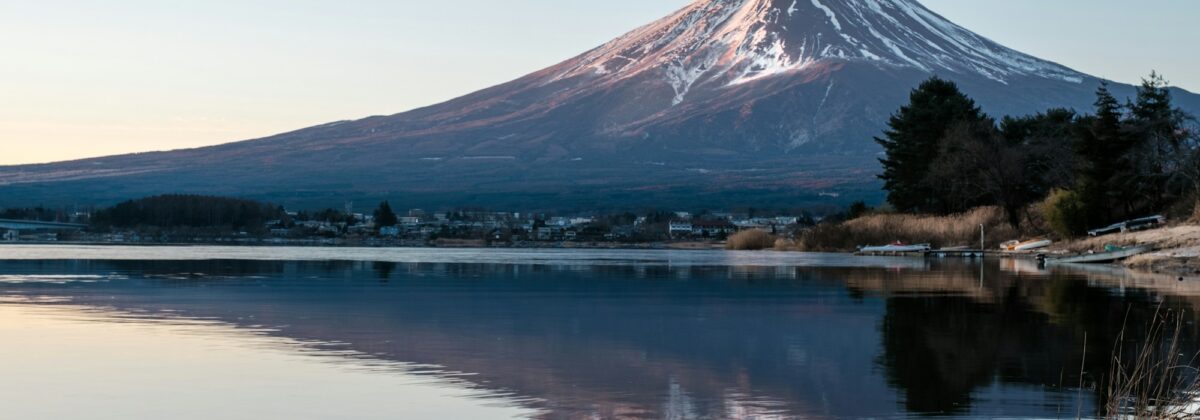 14 days
 Essential Japan
From Kyoto's temples and Hiroshima's Peace Memorial Park to a traditional ryokan stay in the mountain town of Takayama, a stretch of the historic Nakasendo trail and Yudanaka's snow monkeys, fourteen escorted days through Japan's essential highlights and its quieter mountain heartland.
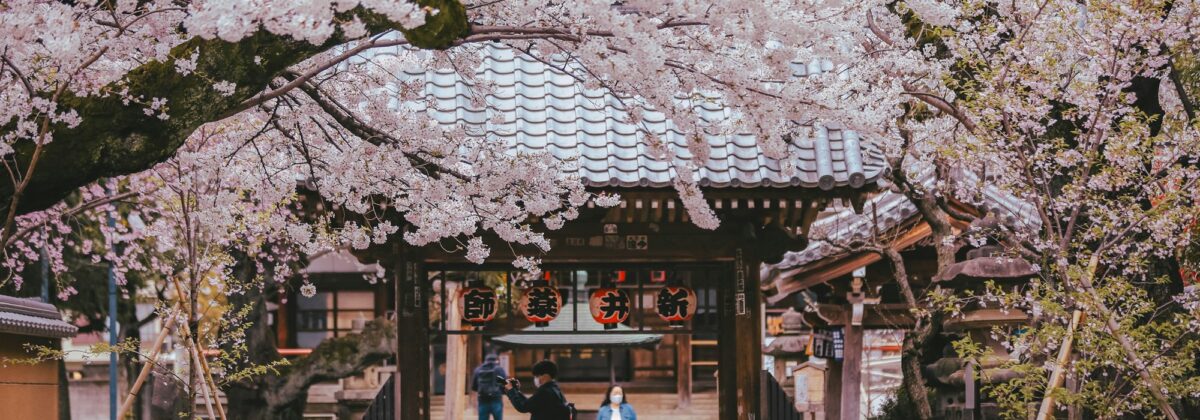 14 days
 Japan: An Art & Culture Journey
From a sculptor's atelier and hands-on craft workshops in Tokyo to Kanazawa's museums, a private calligraphy lesson in Kyoto, the contemporary art islands of Naoshima and Takamatsu's traditional lacquer and temari workshops, fourteen days tracing Japanese art from ancient shrines to modern masterpieces.
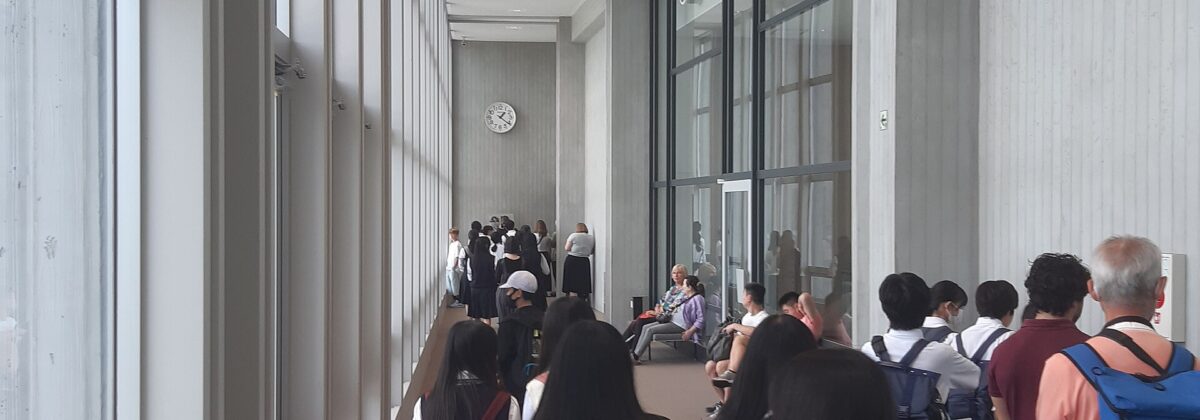 14 days
 Japan: A Family Journey
From a Cup Noodle-making workshop in Yokohama and a traditional sweets class in Kanazawa to Miyajima's floating torii and Kyoto's greatest shrines, fourteen days of Japan built for families, with kid-friendly museums and hands-on history at every stop.
Make this journey yours
Tell us your dates, your pace and what you love. We'll shape the rest.