
Indonesia Travel Guide
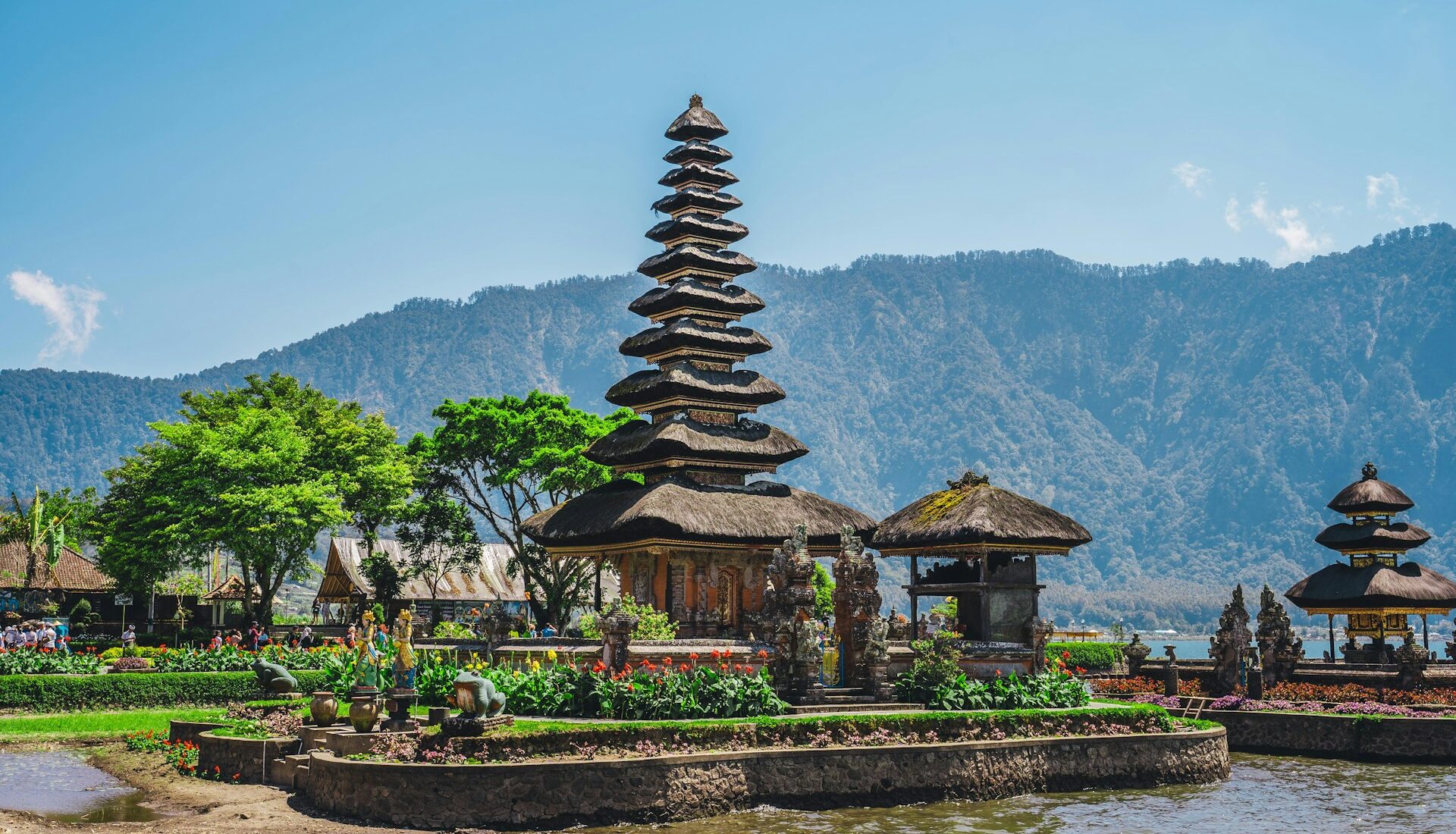
Indonesia is an archipelago of extraordinary scale and variety. Thousands of inhabited islands stretch between the Indian and Pacific oceans, encompassing volcanic mountains, tropical forests, coral reefs, historic cities and communities with distinct languages, beliefs and cultural traditions.
Bali may be the country’s best-known destination, but it represents only one part of the Indonesian experience. Java contains monumental temples, royal cities and active volcanoes. Sumatra and Kalimantan protect important rainforest habitats, while Sulawesi, Sumba and Flores reveal cultures and landscapes with their own distinct identities. Farther east, Raja Ampat contains one of the world’s richest marine environments.
Indonesia is best approached as a collection of regions rather than a single destination. A well-planned journey normally concentrates on a small number of islands, allowing their landscapes and cultures to be experienced without spending too much time in airports, ports and road transfers.
Distances can be deceptive. Two places may appear close on a map but require separate flights, lengthy road journeys or boat connections. Choosing regions that work naturally together is therefore one of the most important parts of planning a journey through Indonesia.
Why Visit Indonesia?
Indonesia offers immense cultural and geographical variety. A single journey can include sunrise over a volcanic landscape, the temples of an ancient kingdom, traditional villages, rainforest wildlife and several days beside the sea.
The country’s cultural diversity is one of its greatest attractions. Hindu traditions shape daily life in Bali, while Java’s history reflects Buddhist, Hindu, Islamic and colonial influences. The communities of Toraja, Sumba and Flores maintain distinctive architecture, ceremonies and artistic traditions. The trading history of the Spice Islands remains visible across eastern Indonesia.
The natural environment is equally varied. Orangutans inhabit the forests of Sumatra and Kalimantan, Komodo dragons survive on a small group of eastern islands, and marine environments support manta rays, turtles and an exceptional range of coral and fish species.
Indonesia also offers an unusually broad spectrum of accommodation, from remote ecolodges and traditional sailing vessels to private villas and refined beach resorts. The most rewarding journeys balance comfort with meaningful access to the landscapes and communities that make each island distinctive.
When to Visit Indonesia
Indonesia’s vast geography means weather patterns vary between islands and regions.
Across Java, Bali, Lombok, Sumba and much of southern Indonesia, the generally drier period normally falls between May and October. These months are well suited to cultural exploration, walking, volcano visits and time on the coast.
The wetter season usually runs from approximately November to April. Rain often arrives in heavy tropical showers, although considerable periods of dry weather remain possible. Landscapes become greener and some destinations receive fewer visitors.
Parts of Sumatra, Kalimantan, Sulawesi, Maluku and Papua follow different or less predictable patterns. Conditions in marine regions are also influenced by winds and sea conditions as well as rainfall.
Raja Ampat, for example, has its own cruising and diving seasons. The preferred period for travelling there does not necessarily correspond with the driest beach season in Bali.
Indonesia can be visited throughout the year, but the route should be designed around the particular islands, wildlife experiences and sea journeys being considered.
Volcanoes and Local Conditions
Indonesia’s volcanoes are active natural environments. Access to craters, walking routes and viewpoints can change at short notice because of volcanic activity, weather or official safety restrictions.
A volcano should therefore not be treated as a guaranteed fixed activity. Alternative arrangements may occasionally be necessary, particularly around Mount Bromo, Mount Ijen, Mount Rinjani and other active areas.
How Long Should You Spend in Indonesia?
A shorter journey of seven to ten days should normally concentrate on one island or a closely connected region. Bali can be explored within this time, while a focused Java journey might combine Yogyakarta with the volcanic landscapes of the east.
With approximately two weeks, two contrasting areas can be experienced at a comfortable pace. Possibilities include Java and Bali, Bali and Komodo, or a cultural journey followed by time on the coast.
A journey of 18 to 21 days allows three regions to be incorporated, provided the flights and transfers remain logical.
Indonesia’s size can easily lead to overambitious planning. Changing islands often involves checking out of a hotel, travelling to an airport or port, waiting for a flight or boat and completing another transfer on arrival. What looks like a short connection can occupy most of a day.
Spending longer in fewer places normally creates a more rewarding experience than trying to cover the archipelago in a single visit.
Places to Visit in Indonesia
Jakarta
Jakarta is Indonesia’s largest city and one of its principal international gateways. For most visitors, it provides an introduction to the scale, energy and complexity of modern urban Indonesia.
The city’s historic areas reflect centuries of maritime trade and colonial rule. Kota Tua contains buildings from the Dutch colonial period, while the old port of Sunda Kelapa remains active with traditional wooden sailing vessels.
Jakarta also offers museums, markets, neighbourhood food and an increasingly varied contemporary dining scene.
Traffic can make journey times difficult to predict, so sightseeing should be grouped geographically. An itinerary that repeatedly crosses the city can lose hours on the road.
One or two nights is normally sufficient unless Jakarta’s food, history or contemporary culture forms a particular part of the journey.
Yogyakarta and Central Java
Yogyakarta is one of Indonesia’s most important centres of Javanese culture, arts and education. The city remains associated with its royal court and is known for batik, traditional performance, craft workshops and a strong regional food culture.
Nearby Borobudur is the world’s largest Buddhist monument, while Prambanan represents the architectural achievements of Hindu Java. Both temple complexes are central to understanding the island’s history.
Temple arrangements can change, including access to particular levels of Borobudur and the times at which visitors are admitted. The sequence of visits should be planned around current regulations rather than relying on an old standard itinerary.
Yogyakarta itself deserves time. Visiting only the two major temple sites overlooks the city’s royal traditions, neighbourhoods, workshops and food culture.
Three or four nights allows time to explore the city, the temples and surrounding countryside without reducing the region to a brief stop between flights.
Mount Bromo and East Java
Mount Bromo rises from a vast volcanic landscape in eastern Java. The surrounding caldera, neighbouring peaks and changing morning light create one of Indonesia’s most dramatic mountain settings.
Most visits involve an early start to reach a viewpoint before continuing into the caldera. Sunrise is popular, but it also attracts the greatest concentration of vehicles and visitors. Depending on the traveller and conditions, a later visit may provide a more relaxed experience while still revealing the scale of the landscape.
Accommodation around Bromo is generally selected for its location rather than luxury. Nights can be cold, departures are very early and comfort levels vary between properties.
Bromo can be incorporated into an overland journey across Java or approached through nearby regional airports and cities. One or two nights is normally sufficient, although the travelling time involved needs to be considered carefully.
Mount Ijen
The Ijen volcanic complex is known for its turquoise crater lake, mineral-rich landscape and long history of sulphur mining.
Reaching the crater requires an early start and a moderately demanding ascent. Conditions can include darkness, steep sections, volcanic gases and changing restrictions. The walk is not suitable for every traveller.
The blue flame phenomenon has led to extremely early departures and descents towards the crater. Access and safety arrangements can change, and viewing the flames should not take priority over official guidance or personal wellbeing.
The sulphur miners are working in difficult conditions rather than performing for visitors. Photography and interaction should therefore be approached respectfully.
Ijen is commonly incorporated into an overland journey through eastern Java before crossing by ferry to Bali. The surrounding region also contains plantations, rural communities and forested landscapes.
Bali
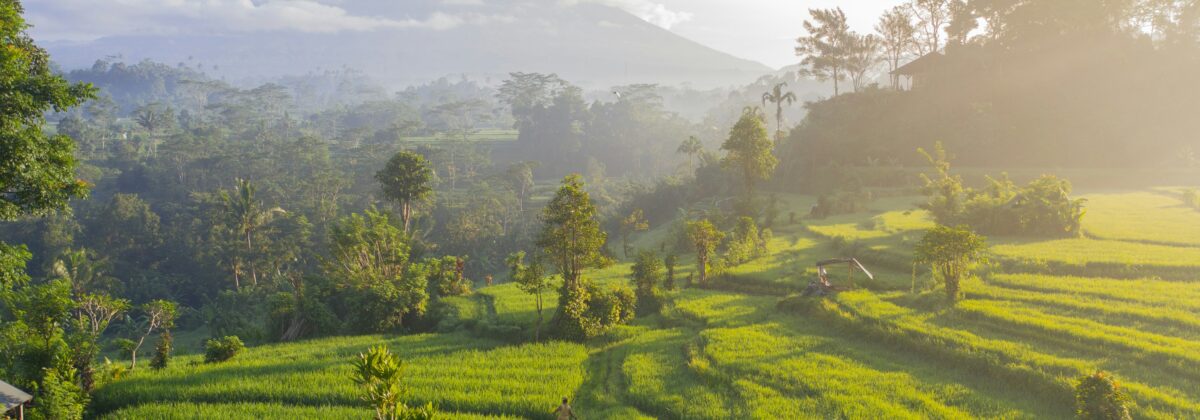
Bali combines beaches, volcanic landscapes, rice terraces, temples and a living Hindu culture that remains visible in everyday ceremonies and village life.
The island is relatively small, but road journeys can take considerably longer than expected. Traffic is particularly heavy in parts of southern and central Bali. Trying to visit opposite sides of the island from one hotel can result in too much time in a vehicle.
Bali works better when the accommodation is matched to the experience. Combining two contrasting areas can reduce unnecessary day trips and reveal more of the island.
Ubud and Central Bali
Ubud and the central highlands are known for arts, crafts, food, temples and access to surrounding rural landscapes.
The centre of Ubud can be very busy. Properties outside the town may provide a quieter setting among rice fields or forest, but usually require transport to reach restaurants and shops. The right location depends on whether convenience or seclusion matters more.
Walks, cycling, cooking, craft visits and temple experiences can all be arranged around Ubud. Timing and route selection are important if the aim is to experience the countryside away from the busiest locations.
Southern Bali
Southern Bali contains the island’s greatest concentration of beach resorts, restaurants, shops and entertainment.
Seminyak, Canggu, Jimbaran, Sanur, Nusa Dua and the Bukit Peninsula offer very different experiences. They should not be treated as interchangeable beach locations.
Some areas are known for restaurants and nightlife, while others provide calmer water, family facilities, cliff-top settings or easier boat connections. The hotel and surrounding neighbourhood are often more important than the general label of “South Bali”.
Northern and Eastern Bali
Northern and eastern Bali offer quieter coastlines, temples, rural landscapes and mountain scenery.
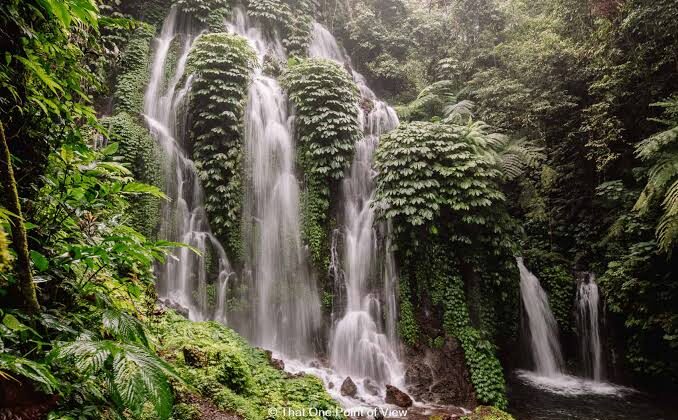
Amed is known for snorkelling, diving and views towards Mount Agung. Sidemen provides a rural setting among rice fields and valleys, while the north includes waterfalls, mountain lakes and a less developed coastline.
These regions require longer road transfers, but they can work particularly well when incorporated into a route across the island rather than visited as lengthy day trips from the south.
Seven to ten nights allows two or three contrasting areas to be combined, creating a broader understanding of Bali.
Lombok and the Gili Islands
Lombok lies immediately east of Bali but has its own landscapes, culture and identity. The island is known for beaches, traditional Sasak communities, waterfalls and the volcanic slopes of Mount Rinjani.
The southern coast contains bays, surf beaches and a growing range of accommodation. Northern Lombok provides access to mountain scenery and the Gili Islands, where beaches, snorkelling and diving are the principal attractions.
Climbing Mount Rinjani is a serious undertaking rather than a casual excursion. Routes are steep, conditions can change and several days are required. Trekking should be arranged with responsible operators using suitable equipment and porter welfare standards.
The three principal Gili Islands have different characters. Gili Trawangan is the liveliest, Gili Air combines activity with a smaller-island atmosphere, and Gili Meno is generally quieter.
Sea conditions can make fast-boat journeys from Bali uncomfortable. Flying to Lombok and continuing by road and local boat may be preferable for travellers who dislike rough crossings.
Four or five nights allows Lombok to be experienced independently rather than only as a brief coastal extension.
Komodo National Park and Flores
Komodo National Park protects a group of rugged islands and marine environments in eastern Indonesia. It is best known as the habitat of the Komodo dragon, but the surrounding waters, reefs and island viewpoints are equally important to the experience.
Labuan Bajo, on the western edge of Flores, is the principal gateway. The park can be explored on day boats, private vessels or multi-night cruises, with opportunities for walking, snorkelling and diving.
Boat quality and safety standards vary considerably. The vessel, crew, cabin arrangements, safety equipment and proposed route should all be considered rather than choosing a cruise solely from photographs.
The seas around Komodo can experience strong currents. Snorkelling and diving sites should be selected according to ability and local conditions.
Komodo dragons are wild animals. Sightings cannot be guaranteed, and ranger instructions must be followed. Visitors should not expect close interaction purely for photographs.
Beyond Labuan Bajo, Flores contains volcanic landscapes, traditional communities and an extensive overland route across the island. Roads are winding and journey times are long, so eastern Flores requires a dedicated itinerary rather than a brief addition to Komodo.
Sumba
Sumba is characterised by open grasslands, traditional villages, megalithic tombs and a coastline that remains relatively undeveloped.
Distinctive high-roofed houses stand within communities where weaving, ancestral beliefs and ceremonial traditions continue to play an important role. The island is also known for ikat textiles and the annual Pasola horse-riding festivals.
Village visits should be approached with cultural sensitivity. Ceremonies and daily life are not staged attractions, and permission should be requested before photographing people or sacred spaces.
Accommodation ranges from simple local properties to several exceptional private retreats. The more luxurious resorts can be destinations in themselves, but they reveal only one side of the island.
Roads are slow, and visiting both eastern and western Sumba requires more time than the map suggests. Four or five nights is a sensible minimum, with longer needed for a more complete journey.
Sulawesi and Toraja
Sulawesi’s unusual geography encompasses mountains, lakes, coral reefs and communities with strongly distinctive cultural traditions.
The highlands of Toraja are known for their boat-shaped tongkonan houses, elaborately carved architecture and complex funeral ceremonies. Rice terraces, villages and burial sites are spread throughout the surrounding landscape.
Funeral ceremonies remain important family and community events. Visitors may sometimes be welcomed, but attendance should be arranged through knowledgeable local contacts and approached respectfully. Dates can change because ceremonies depend on family decisions rather than tourism schedules.
Reaching Toraja requires a domestic flight followed by a substantial road journey, so at least three or four nights in the region is recommended.
Other parts of Sulawesi offer diving, wildlife and marine experiences, but the island’s shape and limited direct connections mean that combining distant regions can take considerable time.
Kalimantan
Kalimantan occupies the Indonesian portion of Borneo and protects extensive areas of tropical forest, rivers and wildlife habitat.
Tanjung Puting National Park is one of the most accessible locations for observing orangutans. Journeys are commonly made aboard traditional riverboats known as klotoks, travelling between forest areas and conservation sites.
The klotok is both transport and accommodation. Facilities range from simple to more comfortable, but most journeys involve sleeping on deck beneath a mosquito net and using compact bathroom facilities. Understanding this in advance is important.
Orangutans are wild or rehabilitated animals. They should not be touched, fed or encouraged to approach for photographs. Sightings and behaviour cannot be guaranteed.
Kalimantan also contains Dayak communities, remote river systems and interior landscapes requiring more expeditionary travel. A focused wildlife journey generally requires three or four nights, while deeper exploration takes considerably longer.
Sumatra
Sumatra contains volcanic mountains, crater lakes, tropical forests and communities with diverse cultural traditions.
Northern Sumatra is home to Lake Toba, formed by one of the largest volcanic eruptions in history, and the cultural heartland of the Batak people. The forests around Bukit Lawang provide opportunities to observe orangutans in their natural habitat.
Forest walks can be physically demanding because of heat, humidity, steep terrain and slippery conditions. Trek length should be chosen according to fitness rather than the desire to maximise wildlife sightings.
Responsible wildlife experiences should avoid feeding, touching or crowding orangutans. Even habituated animals require distance and respect.
Farther south and west, Sumatra contains the Minangkabau highlands, wildlife reserves and remote coastal regions. Sumatra’s considerable size means journeys should normally focus on one particular area.
Raja Ampat
Raja Ampat is an archipelago of forested limestone islands and coral reefs in eastern Indonesia. Its waters support exceptional marine biodiversity, making it one of the world’s most celebrated diving and snorkelling regions.
Journeys may be based at remote island resorts or aboard expedition vessels travelling between different parts of the archipelago. Activities include diving, snorkelling, kayaking, island walks and visits to small communities.
The right choice between a resort and a liveaboard depends on diving experience, desired comfort, preferred pace and interest in reaching more remote sites.
Currents can be strong, and not every dive site is suitable for every ability. Operators should assess experience honestly rather than following one standard programme.
Reaching Raja Ampat requires several flight and boat connections. Delays can have wider consequences when arrangements are too tightly scheduled. A stay of at least five to seven nights is recommended once the journey involved is considered.
The Maluku Islands
The Maluku Islands, historically known as the Spice Islands, played a central role in global trade because of their production of nutmeg, cloves and other valuable spices.
The region contains volcanic islands, historic forts, traditional communities and rich marine environments. Banda Neira and the surrounding Banda Islands are among its most historically significant destinations.
Access often requires regional flights, ferries or expedition cruising. Schedules can be limited and weather dependent, making Maluku particularly suitable for a longer and more specialised Indonesian journey.
Extra time should be built into arrangements where a missed connection could affect an international flight.
The Anambas Islands
The Anambas Islands are a remote archipelago in the South China Sea, considerably closer to Singapore and Malaysia than to many of Indonesia’s principal destinations.
The islands contain clear water, forested landscapes, coral reefs and a small number of highly secluded resorts. Bawah Reserve is among the best known, occupying a collection of previously uninhabited islands within a protected marine environment.
Access arrangements are highly specific and may involve departures from outside Indonesia. The schedule must therefore be coordinated carefully with international flights.
The region can provide a private island conclusion to a wider journey through Southeast Asia, but it does not always combine naturally with Bali or eastern Indonesia.
Experiences in Indonesia
Culture and Communities
Indonesia’s cultural traditions vary significantly between islands. Temple visits, village stays, local markets, craft workshops and performances can provide insight into the beliefs and artistic traditions of individual regions.
The strongest community experiences are based on established relationships rather than brief, staged encounters. Local customs around dress, photography, religious spaces and ceremonies should always be respected.
Food and Markets
Indonesian cuisine changes considerably across the archipelago.
Java is associated with dishes that often balance sweetness and spice, while Sumatra is known for richer flavours and the cooking traditions of regions such as Padang. Balinese cuisine reflects the island’s Hindu culture, and the food of Sulawesi and eastern Indonesia draws heavily on local produce, spices and the sea.
Market visits, home cooking and locally owned restaurants can reveal these differences more effectively than relying only on resort dining.
Volcanoes and Walking
Volcanoes shape much of the Indonesian landscape. Walking routes and viewpoint visits can be incorporated in Java, Bali, Lombok, Flores and Sumatra.
Difficulty varies considerably. Some experiences involve a short walk from a vehicle, while others require several days of demanding trekking.
Altitude, volcanic gases, early departures and changing access restrictions should be considered when choosing the right experience.
Wildlife
Wildlife experiences include orangutans in Sumatra and Kalimantan, Komodo dragons, endemic birds and an extensive variety of marine life.
Wildlife sightings cannot be guaranteed. Responsible encounters should prioritise natural behaviour and conservation rather than feeding, touching or close photographs.
Operator selection is particularly important in sensitive forest and marine environments.
Diving, Snorkelling and Expedition Cruising
Indonesia contains some of the world’s richest marine ecosystems.
Diving and snorkelling can be incorporated around Bali, Lombok, Komodo, Sulawesi, Maluku and Raja Ampat. The most suitable location depends on the season, currents, visibility and level of experience.
Expedition vessels provide access to remote islands that would otherwise require multiple flights and ferries. The standard of vessels varies, so safety, crew experience and route design should be considered alongside cabin comfort.
Accommodation as Part of the Journey
Accommodation can become an important part of the Indonesian experience.
Possibilities include rainforest lodges, converted heritage buildings, traditional vessels, private villas, rural retreats and remote island resorts. The most expensive property is not automatically the most appropriate.
Location, access and connection to the surrounding area often matter more than the formal category. A secluded hotel may offer exceptional privacy but require advance planning for meals and activities, while a central property provides greater independence.
Suggested Ways to Explore Indonesia
Java and Bali
A first journey might combine Java and Bali, travelling from Yogyakarta’s temples through the volcanic landscapes of eastern Java before continuing to Bali.
The full overland route requires sufficient time. A shorter journey can use regional flights and focus on Yogyakarta before continuing to Bali.
Bali in Greater Depth
A focused Bali journey can combine two or three contrasting regions, such as Ubud, Sidemen and the southern coast.
This approach provides a better sense of the island than attempting every excursion from one beach resort.
Bali and Komodo
Bali and Komodo can be combined using flights to Labuan Bajo. Several nights should be allowed for exploring the national park, particularly if using a private boat or multi-night vessel.
A tightly scheduled one-night visit leaves little room for flight disruption or changing sea conditions.
Bali, Lombok and the Gili Islands
Bali can be combined with Lombok or the Gili Islands by air and boat.
The best connection depends on sea conditions, luggage, arrival point and tolerance for fast-boat journeys. Including every island is not always necessary.
Wildlife in Sumatra or Kalimantan
A wildlife-focused journey may concentrate on orangutans in Sumatra or Kalimantan before continuing to Java, Bali or another region.
The choice should consider trekking difficulty, accommodation preferences and whether a forest lodge or riverboat experience is more appealing.
Eastern Indonesia
Flores, Sulawesi, Maluku and Raja Ampat work best as dedicated journeys or major parts of a longer itinerary.
They require careful planning around flight schedules, sea conditions and regional accommodation. They should not be treated as quick additions to a short Bali holiday.
Planning Your Indonesia Journey
Indonesia is best planned around the particular islands you want to experience rather than attempting to cover the country as a whole.
Flight schedules, road times, sea conditions and the season can all affect which combinations are practical. The most effective route usually includes fewer regions than first imagined, with enough time in each to justify the journey required to reach it.
Accommodation style also influences the route. A remote lodge, private island resort or expedition vessel may require fixed arrival days and specific transfers.
The suggested journeys on our website are intended as starting points rather than fixed packages. They can be adjusted around your dates, interests, preferred accommodation, activity level and the amount of guided or independent time you would like.
Essential Travel Information
Jakarta and Bali are Indonesia’s principal international gateways, with additional international services operating through selected regional airports. Domestic flights are essential for travelling between distant islands.
Road conditions and journey times vary considerably. Private vehicles are the most practical way to explore Java, Bali and many regional destinations, while boats and ferries connect islands and marine areas. Services can be affected by weather and sea conditions.
The local currency is the Indonesian rupiah. Cards are widely accepted in established hotels, resorts and larger businesses, while cash remains necessary in smaller communities and remote regions. Access to ATMs can be limited outside the principal towns.
Bahasa Indonesia is the national language, alongside hundreds of regional languages. English is widely used in established tourism areas but is less common in remote communities.
Indonesia is culturally and religiously diverse. Clothing and behaviour appropriate in a Bali resort may not be suitable when visiting temples, mosques or more conservative communities elsewhere in the country.
Entry requirements depend on nationality and can change, so travellers should consult current official information before departure.
Explore our Indonesia journeys
Starting points rather than fixed packages — every one is shaped around your dates, interests and pace.
 12 days
 Bali & Lombok: Nature & Islands
 6 days
 Bali Cycling Odyssey
 8 days
 Bali Uncovered
Start planning your trip
Tell us your dates, your interests and the pace you enjoy, and we’ll shape a Indonesia journey around them.